ItinerariesUpdated 2023-06-13
Photographing Guangzhou's Architecture
Look for the lines, materials and changing light that connect the city's old landmarks with its modern buildings.
Tickets, opening hours and event schedules may change. Check the venue or organiser's latest announcement before visiting.
Historic forms
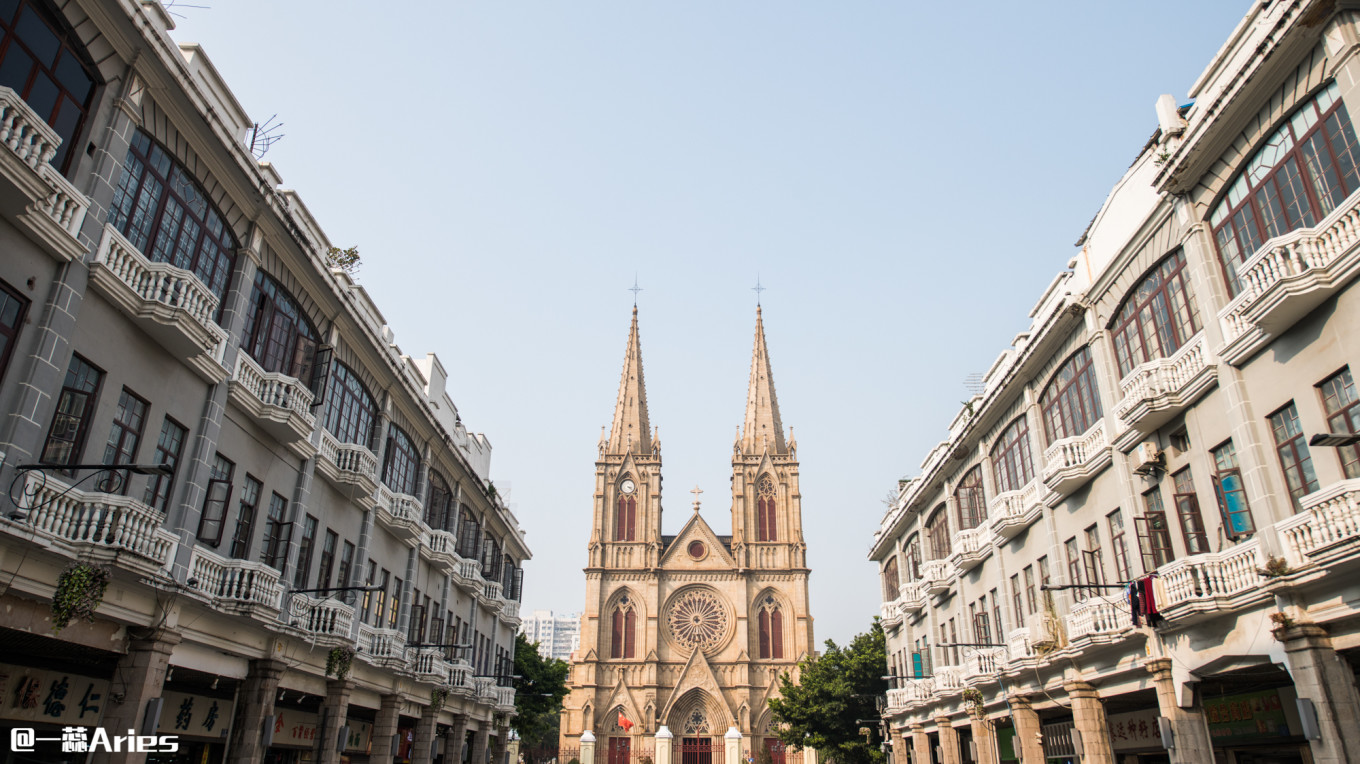
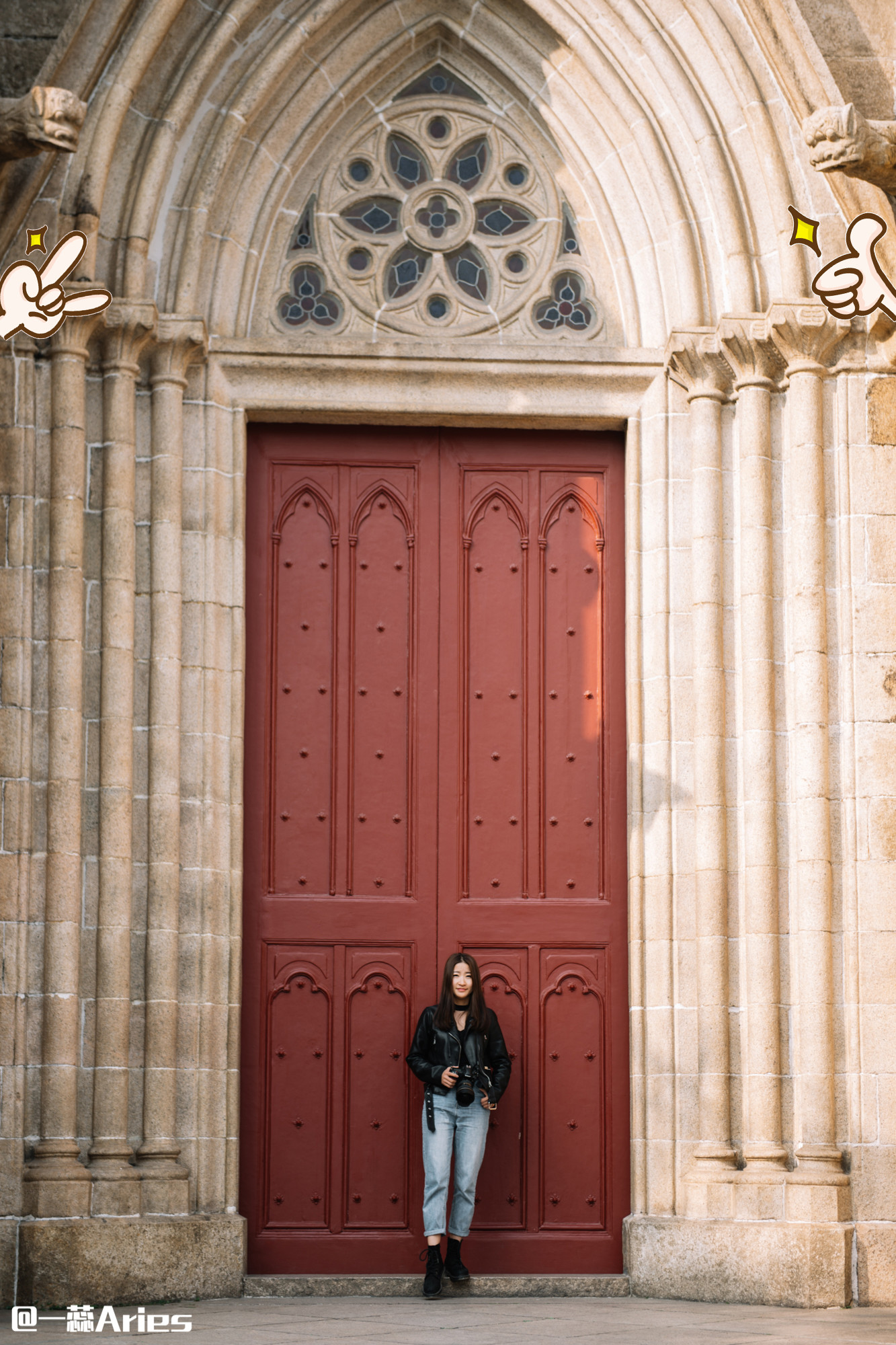
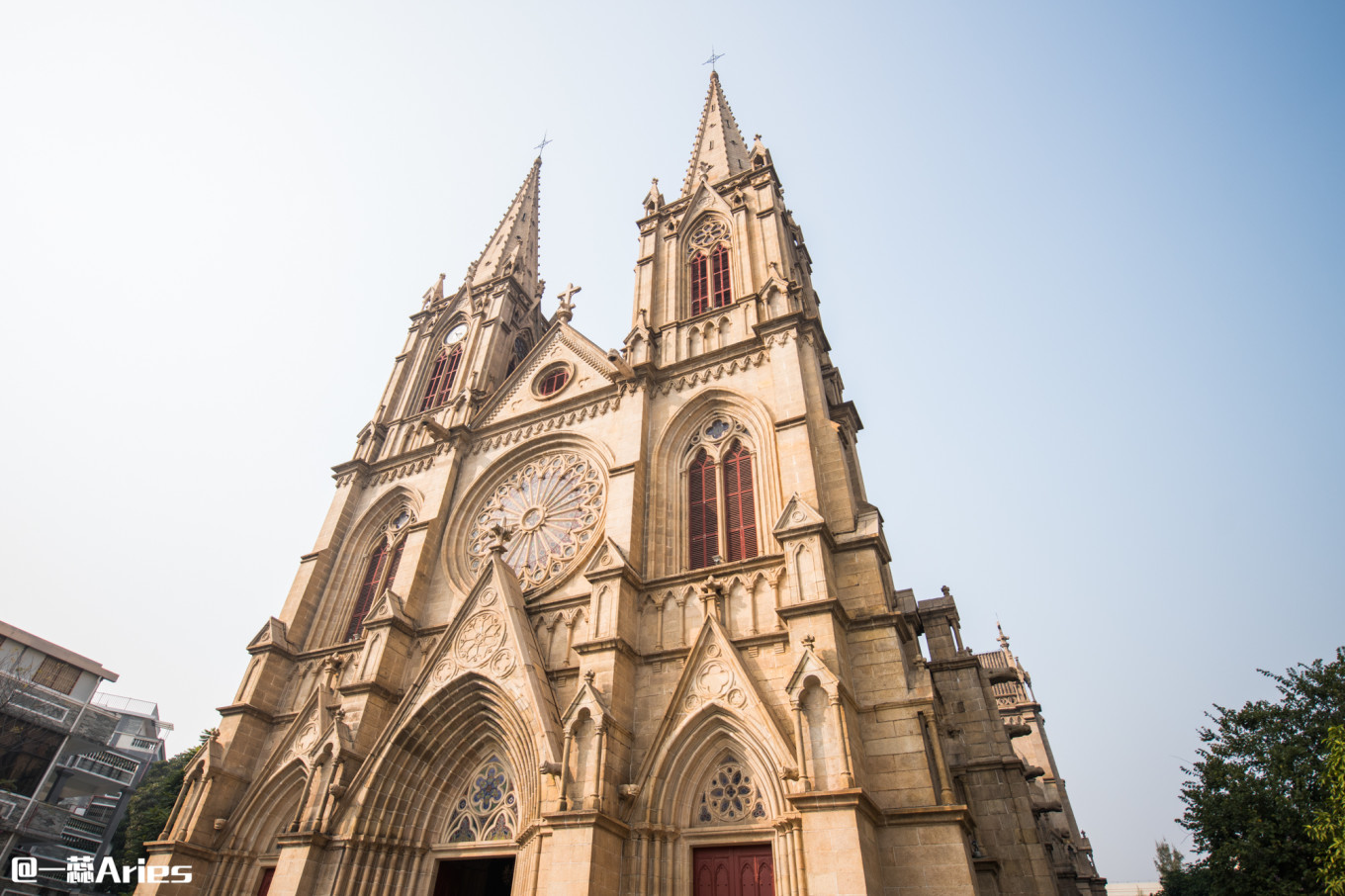
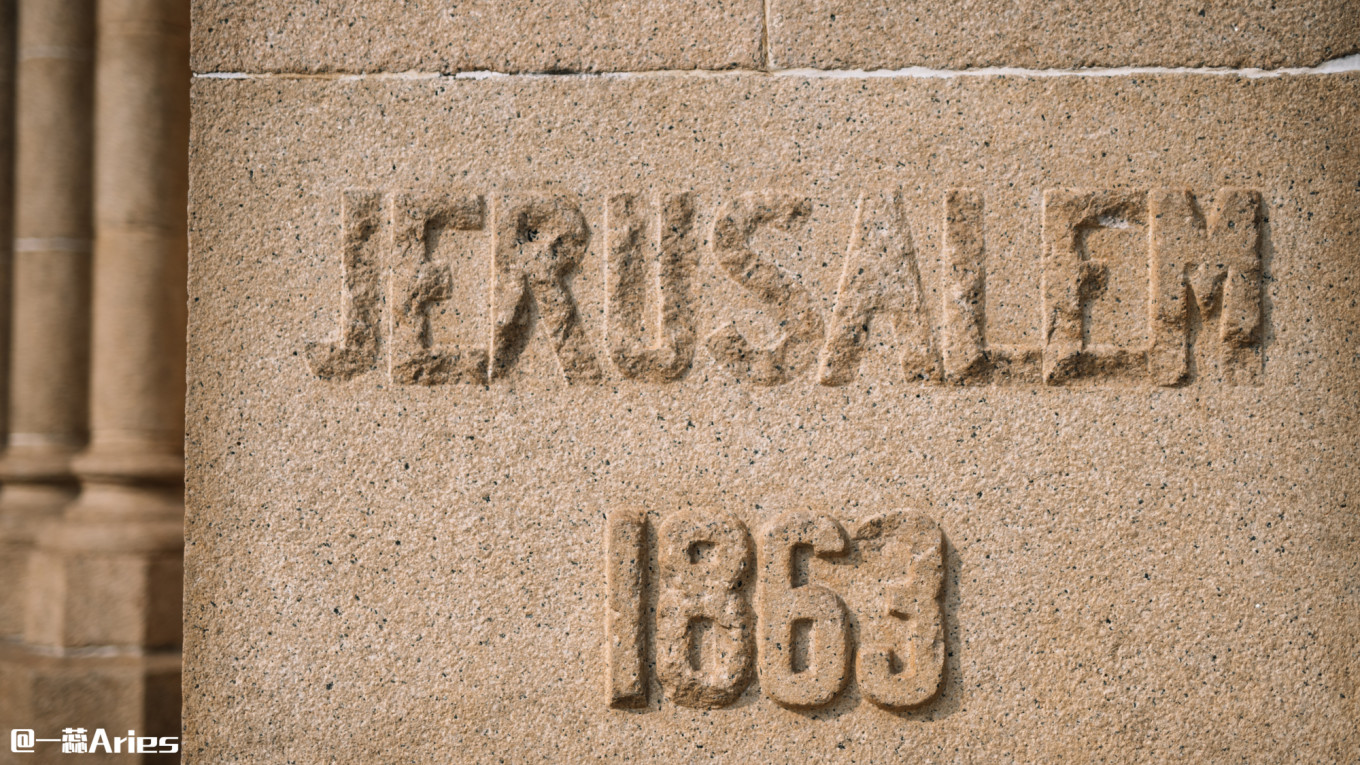
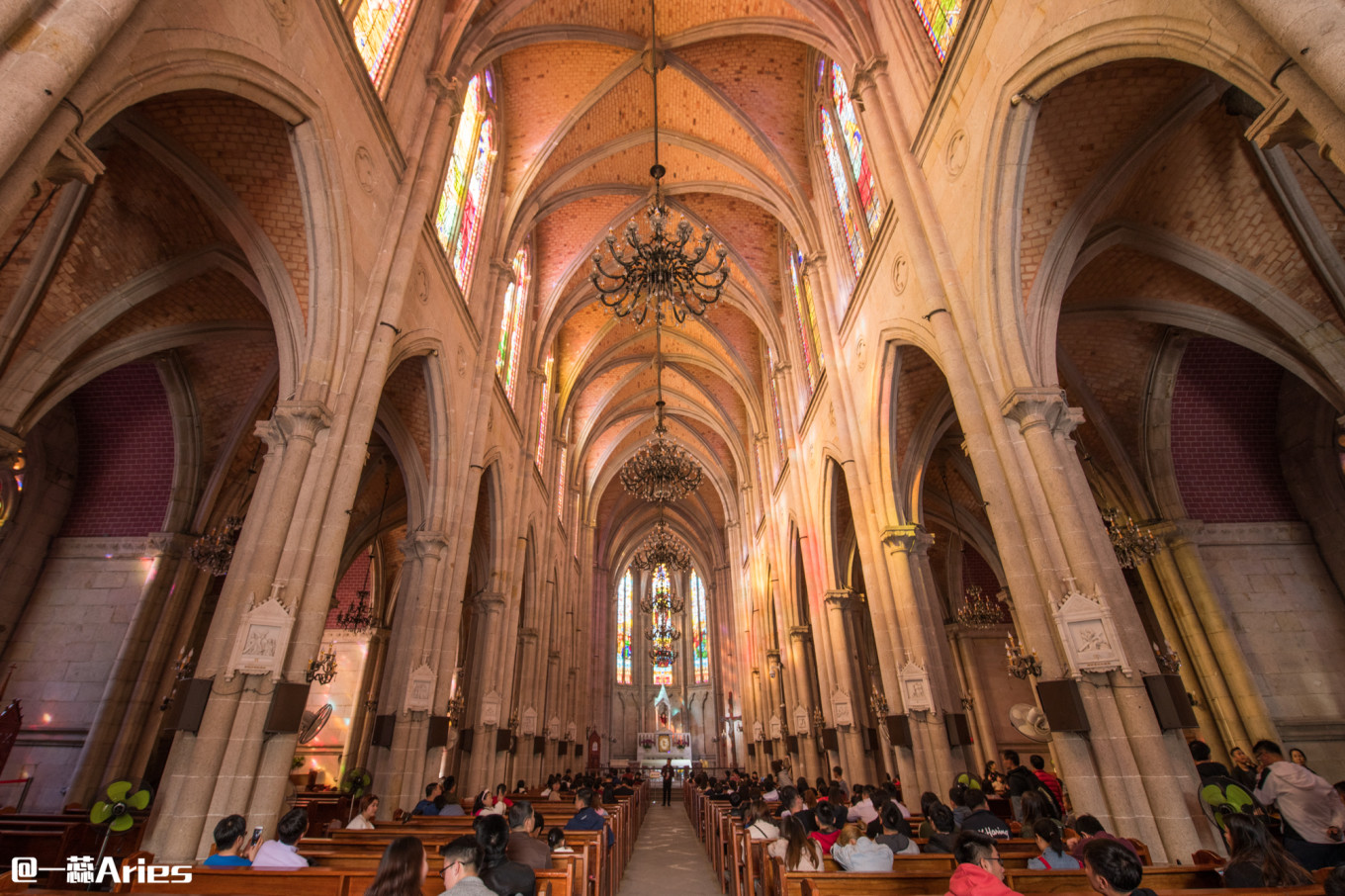
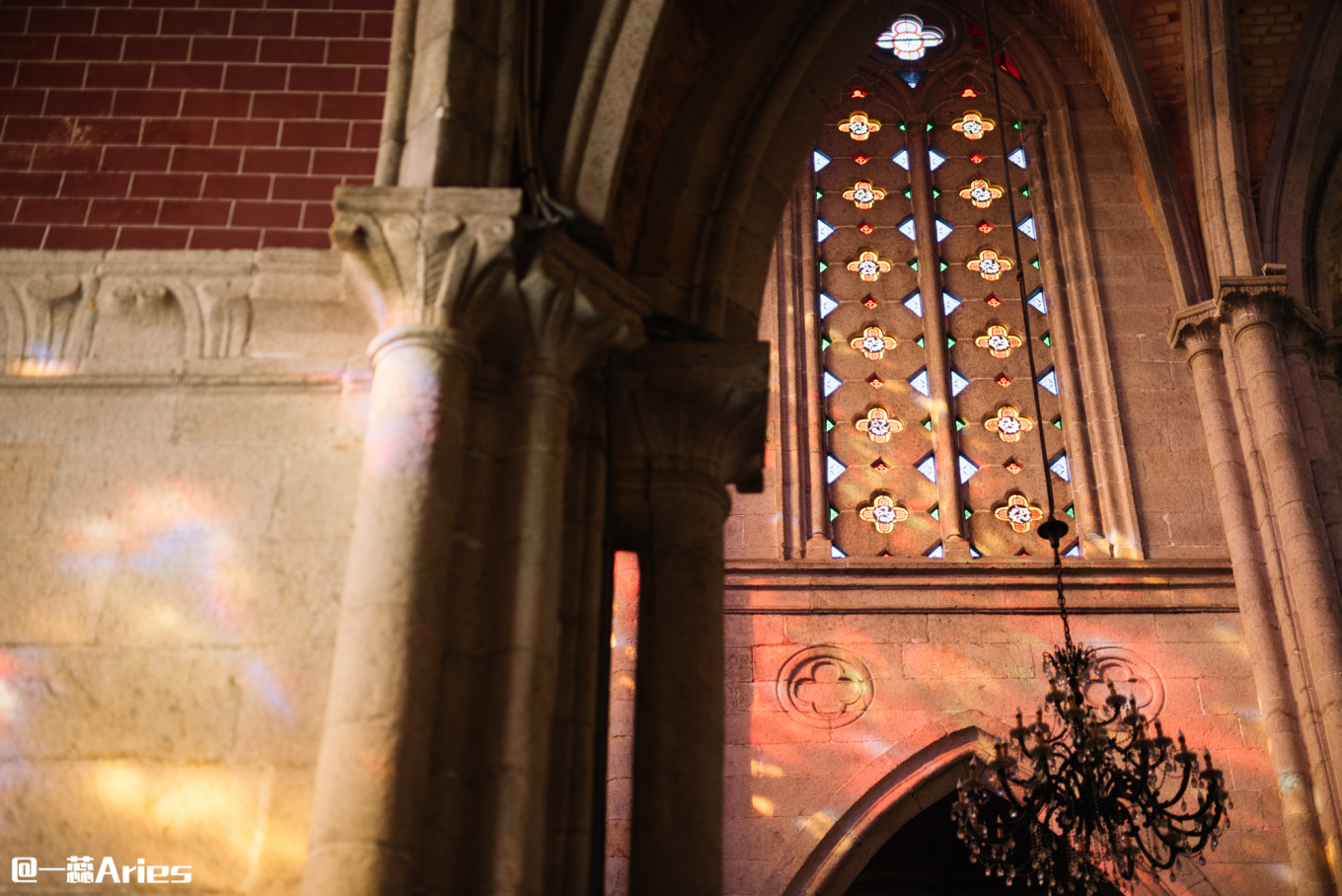
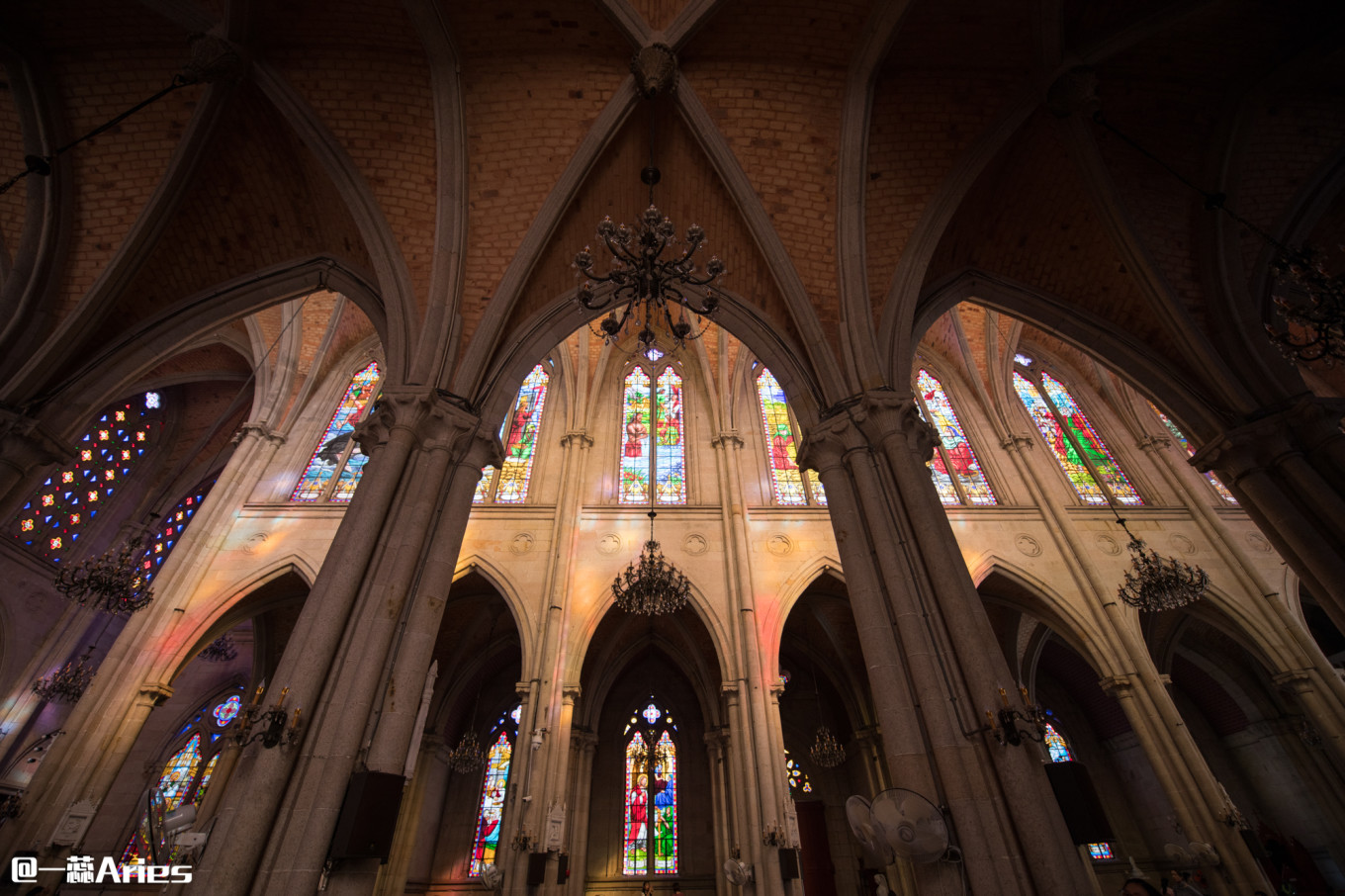
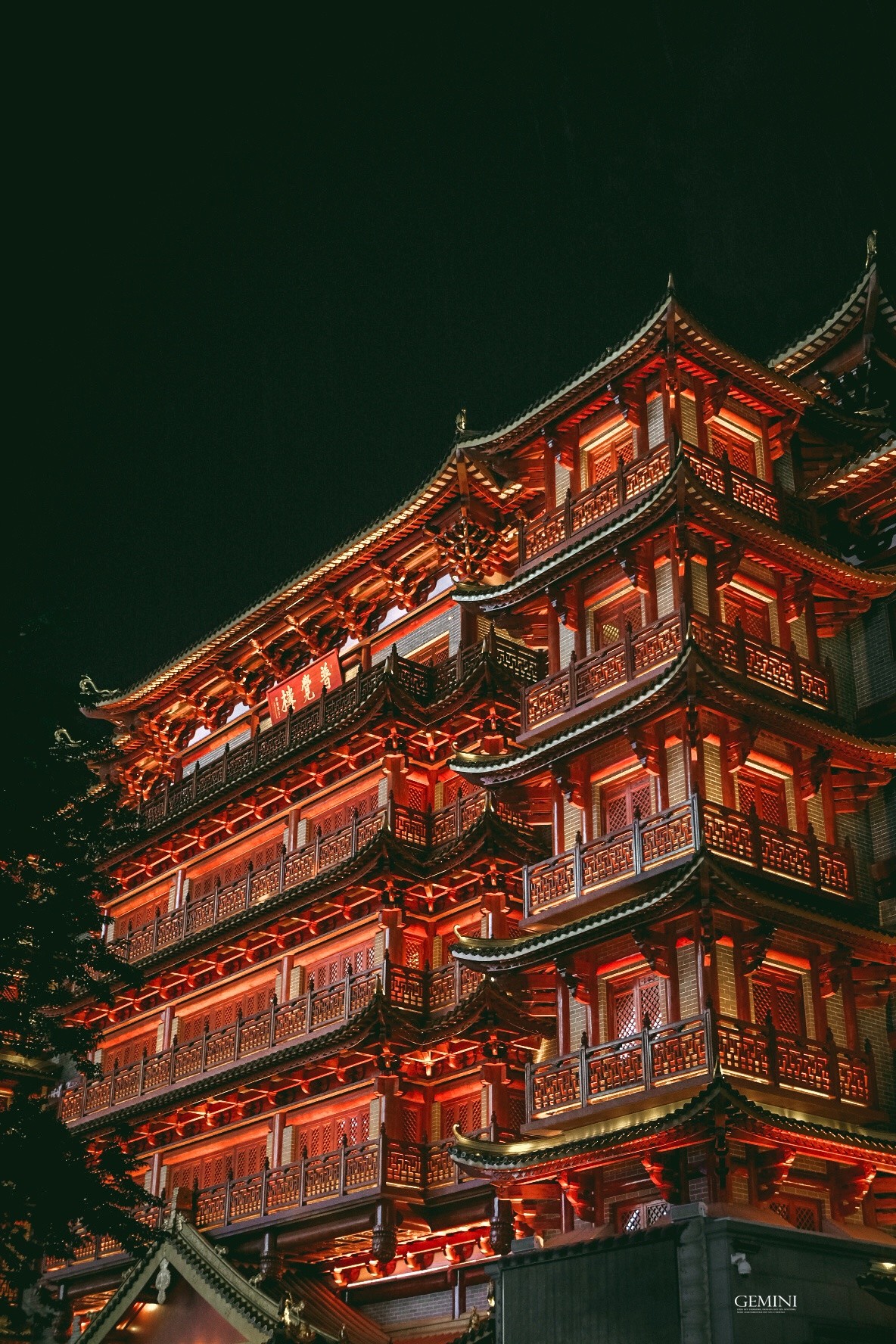
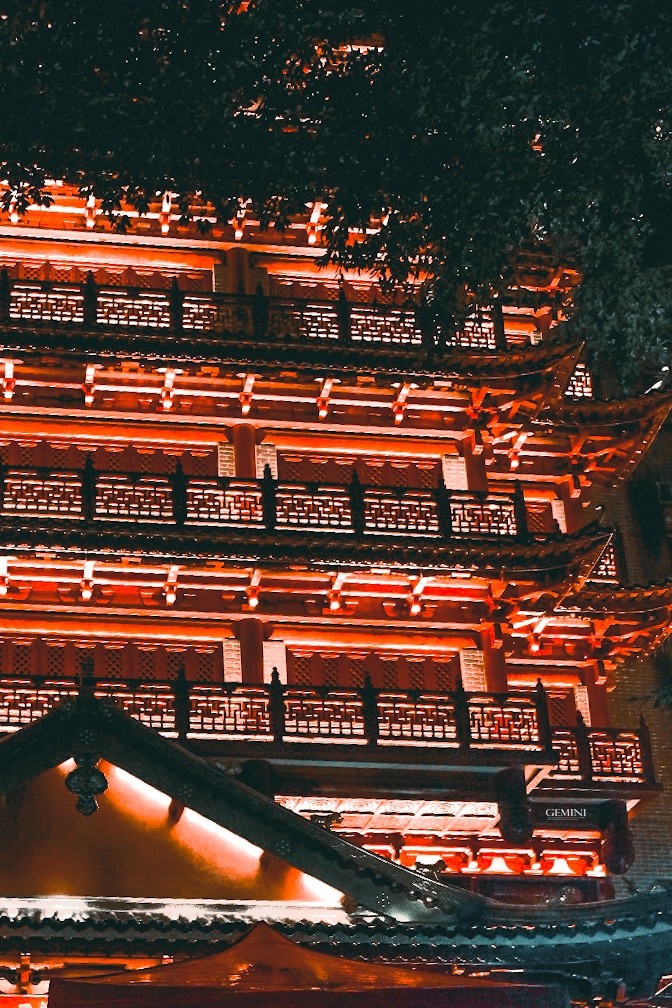
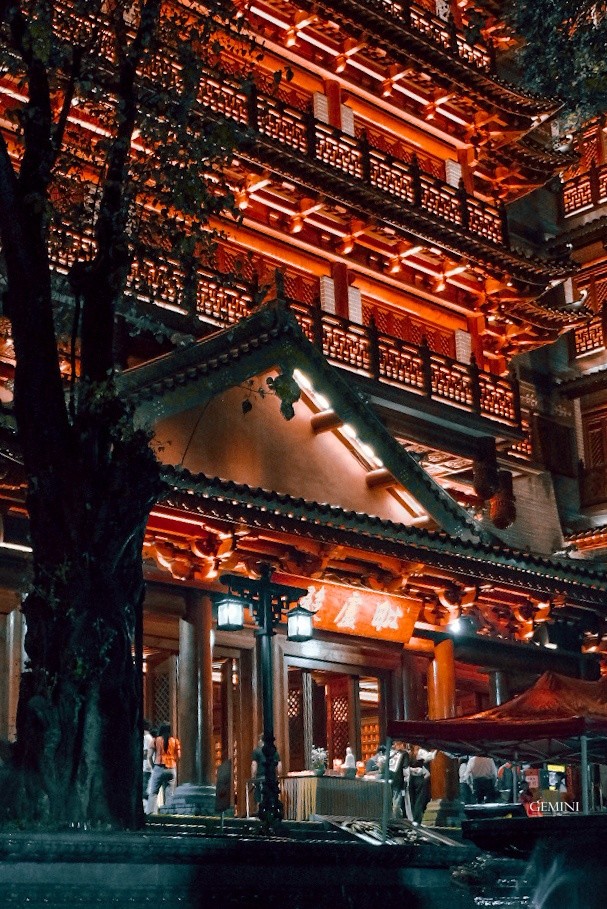
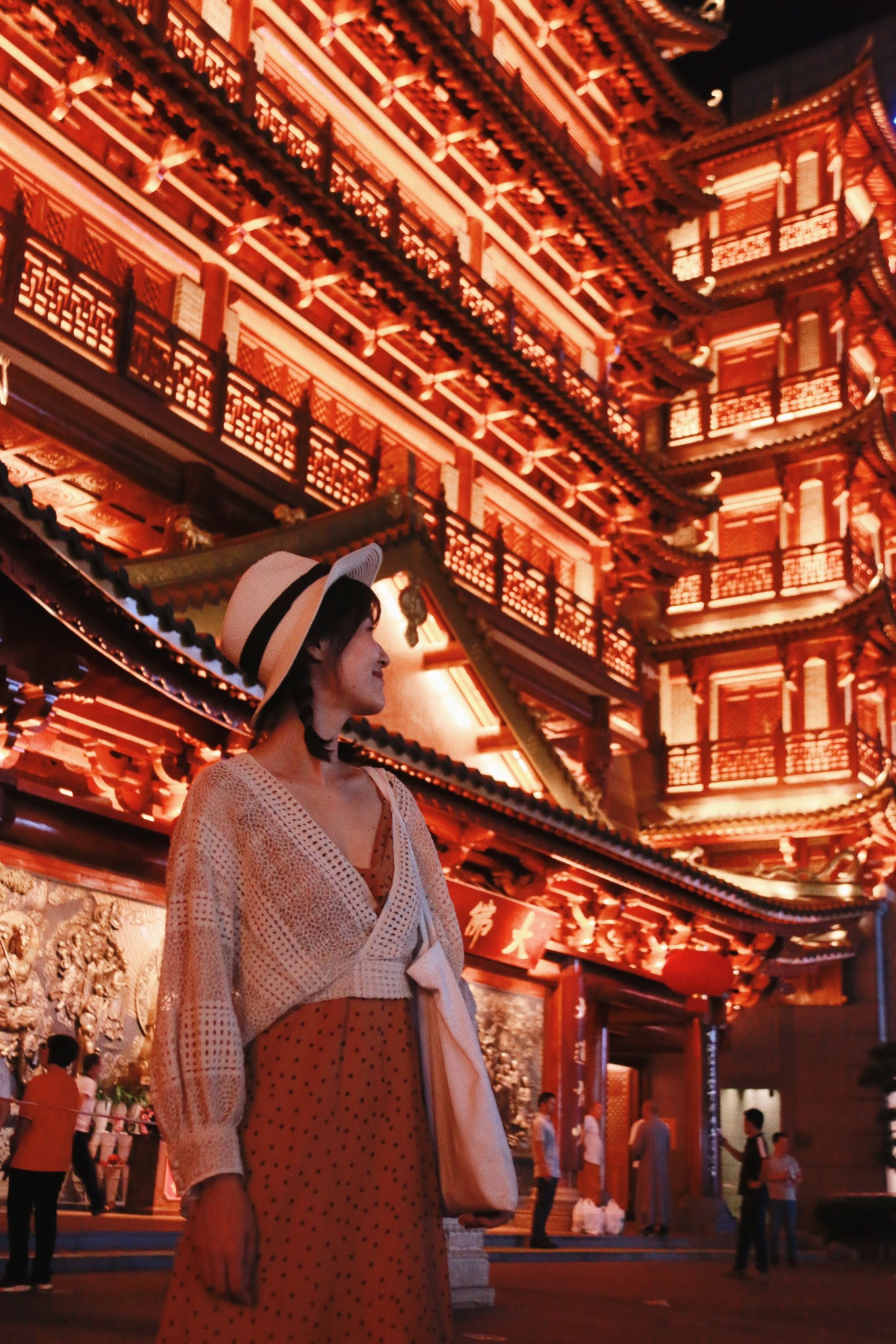
Sacred Heart Cathedral offers granite, pointed arches and stained glass. Photograph respectfully and follow worship and visitor rules. Dafo Temple presents a different rhythm of roofs and illuminated façades; consider the surrounding streets as part of the composition.
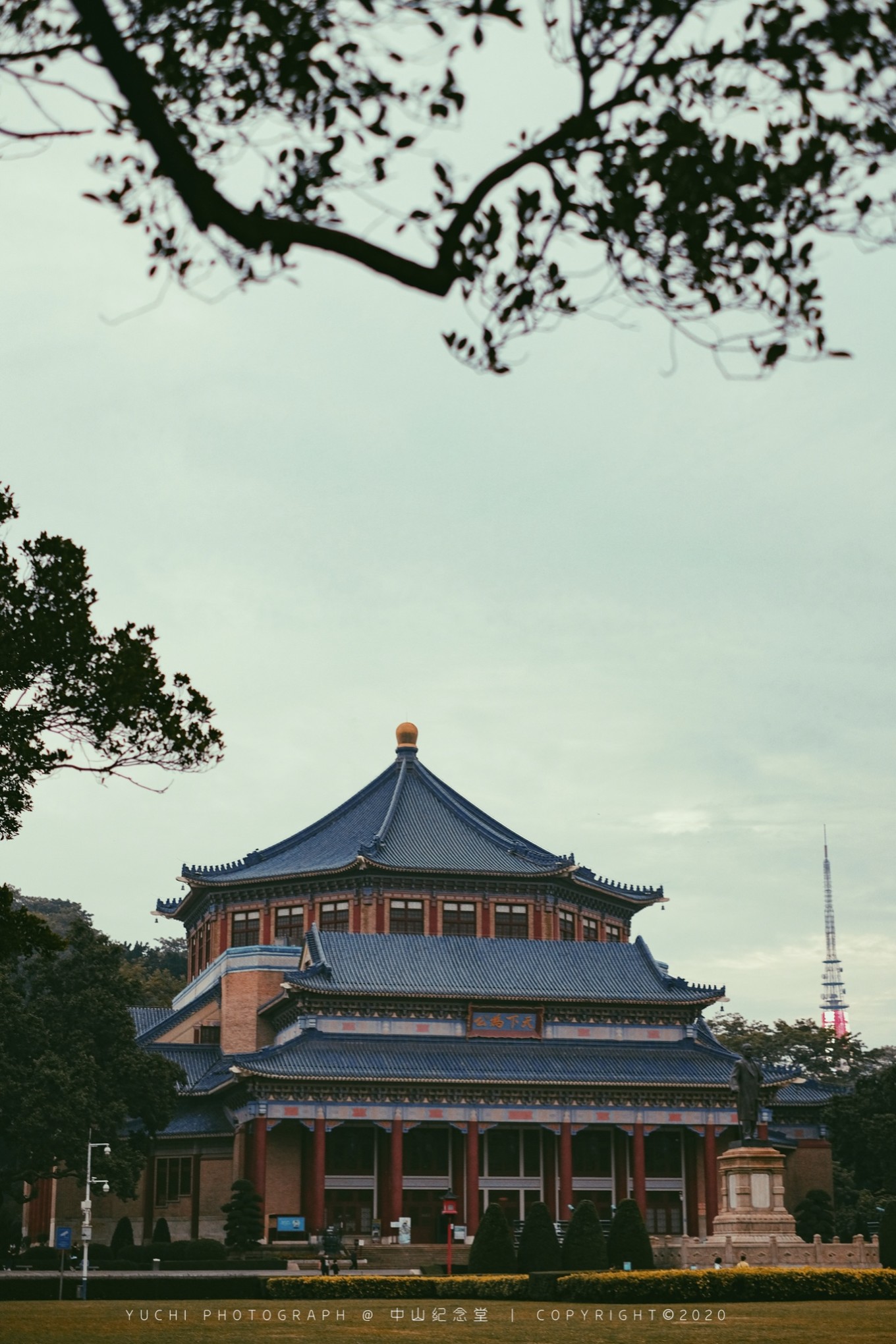
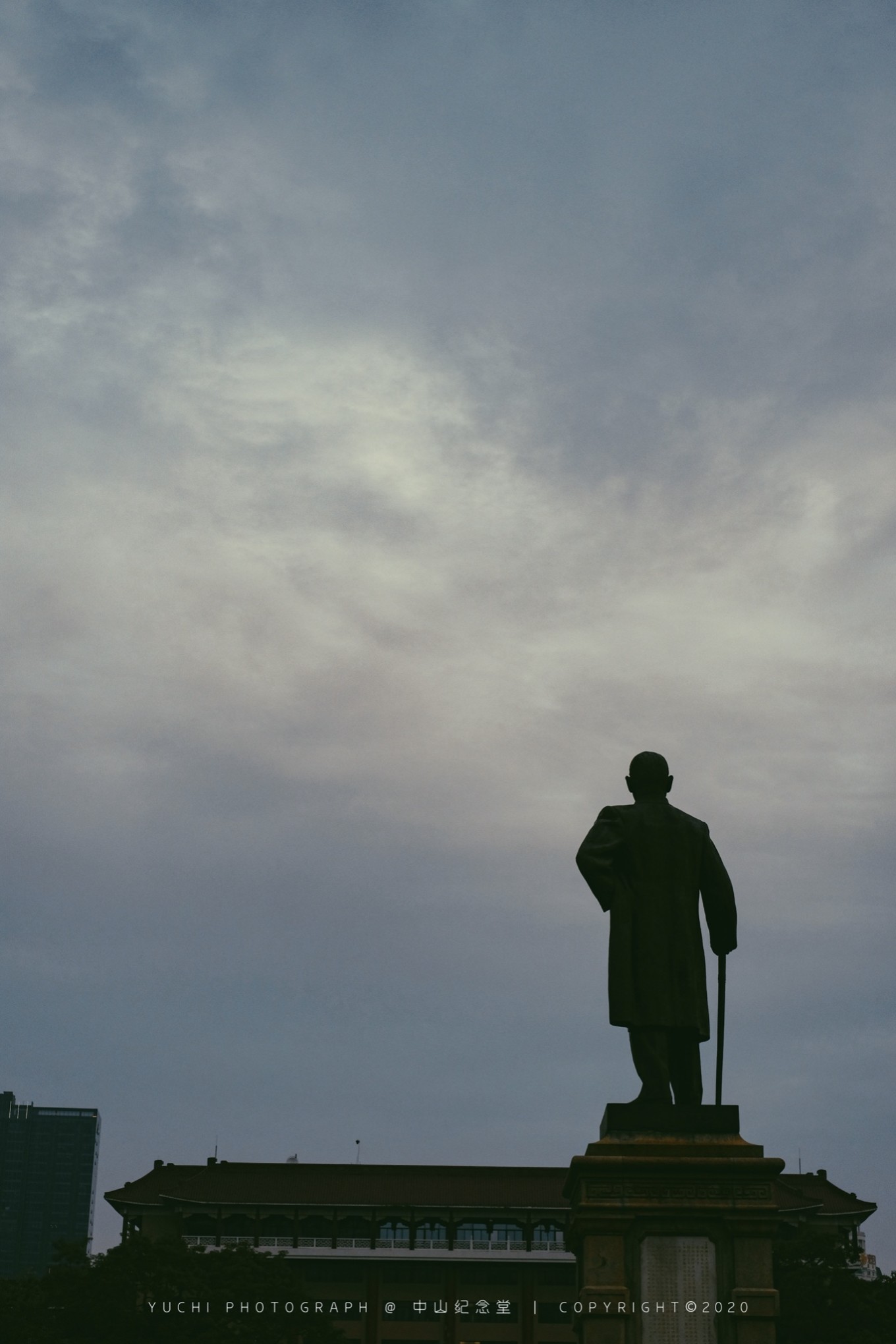
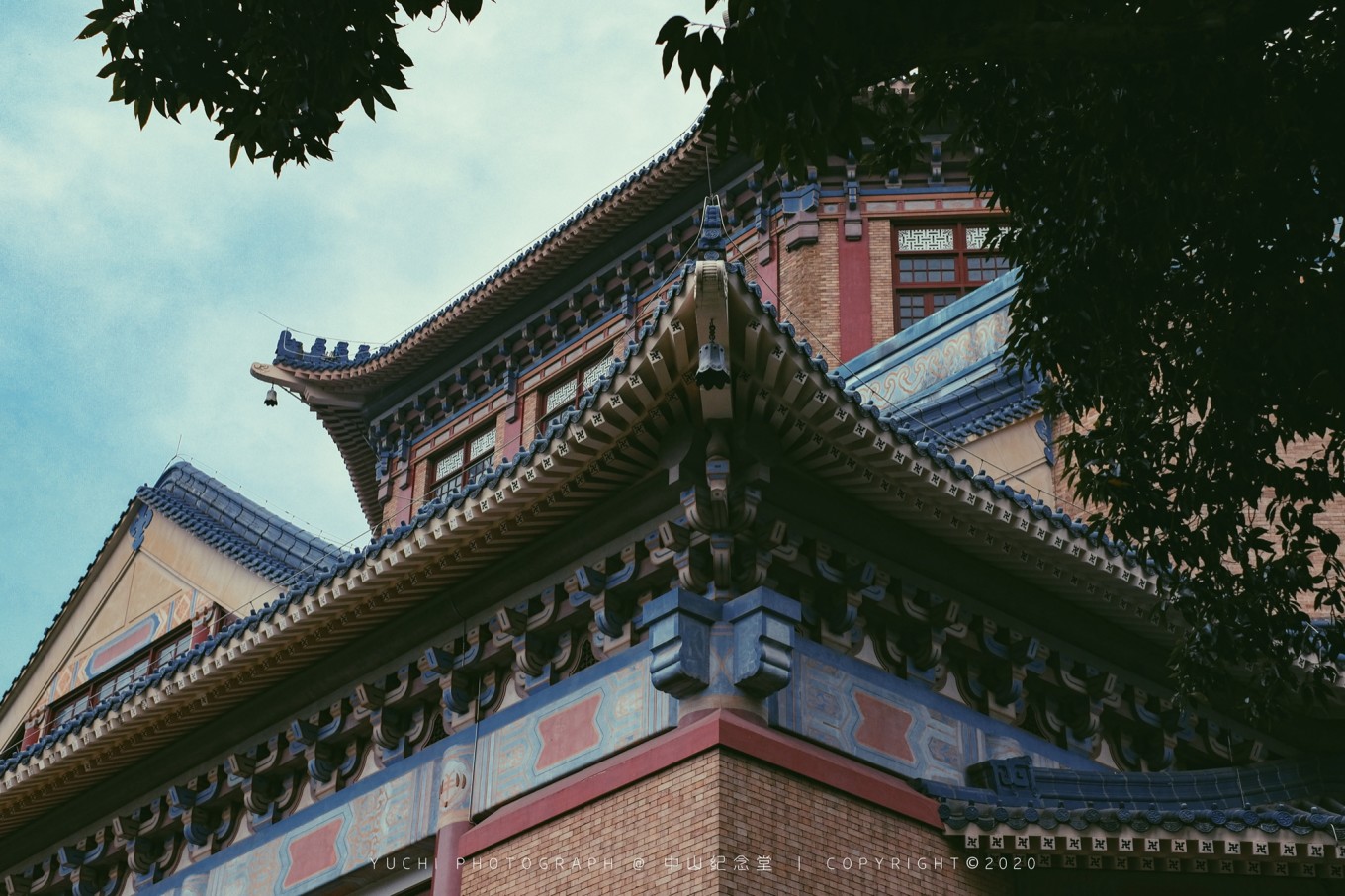
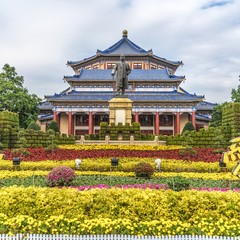
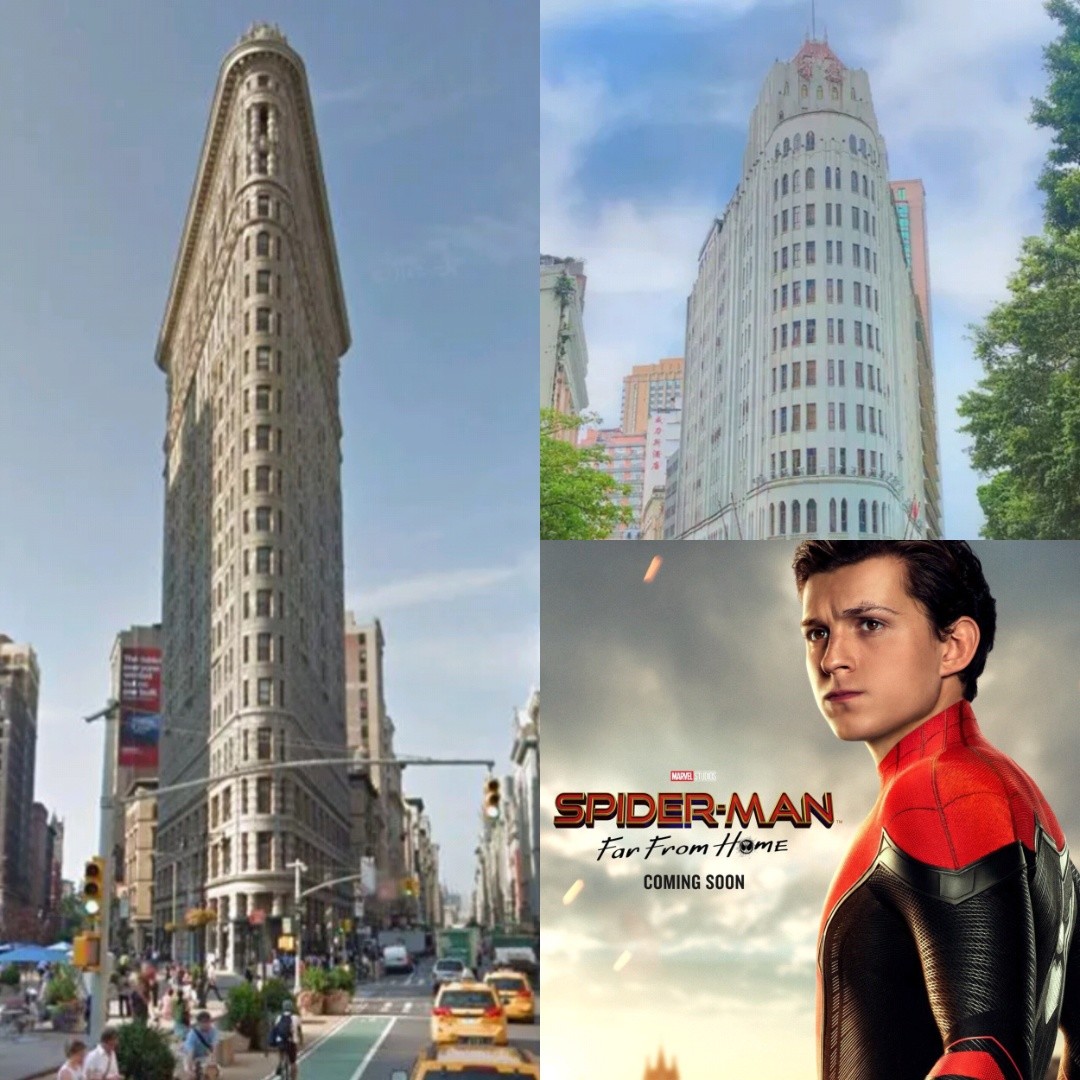
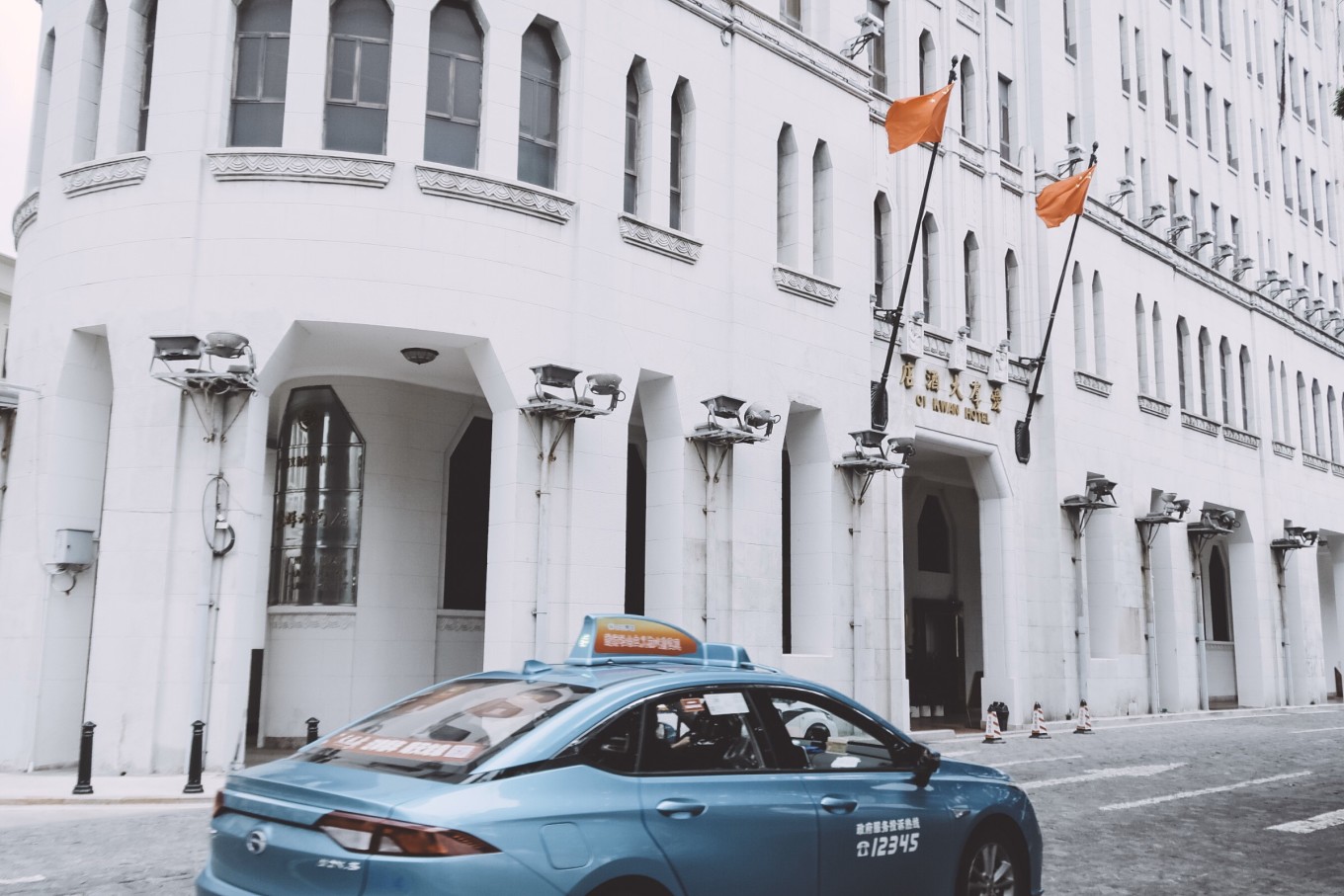
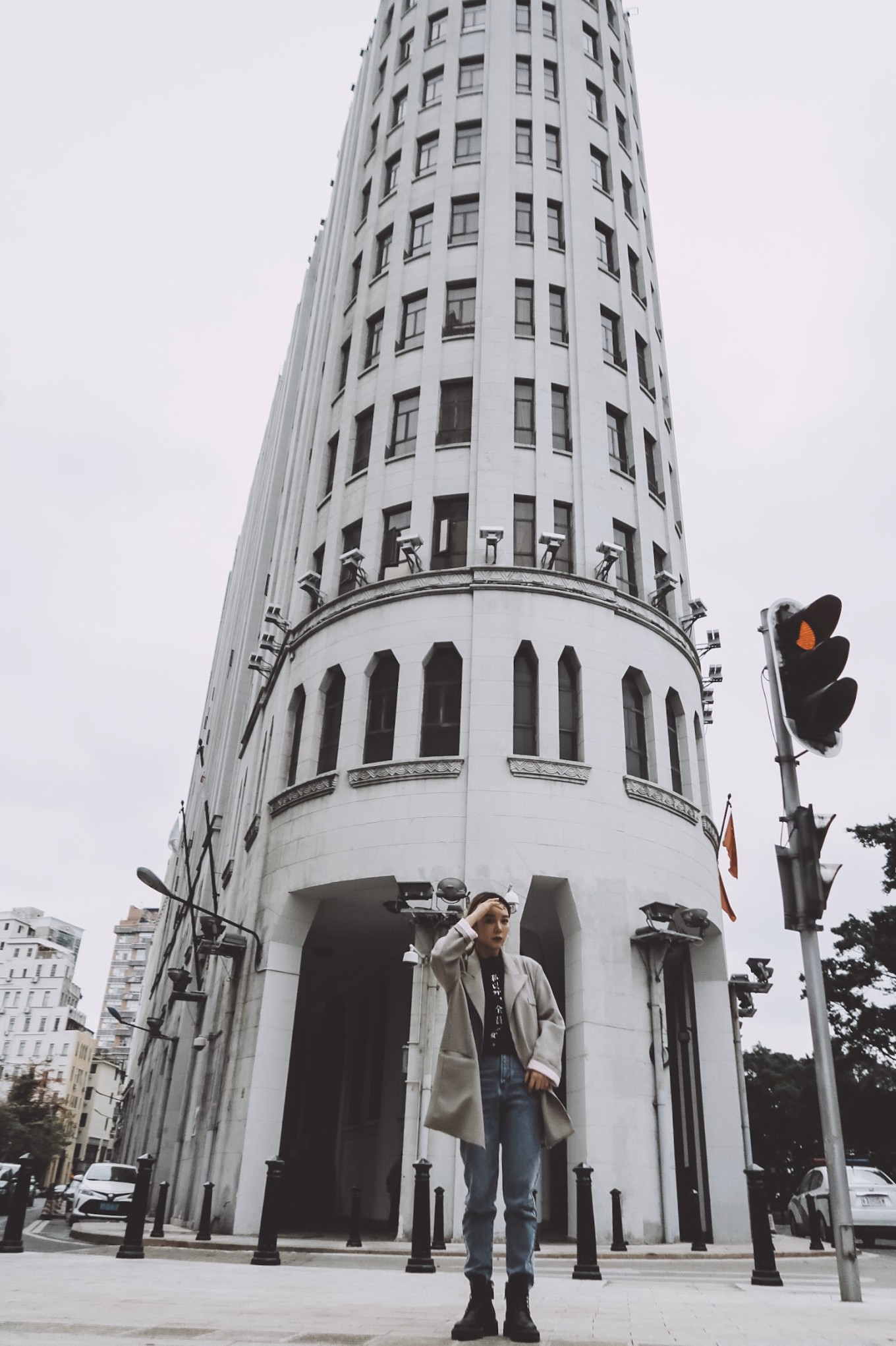
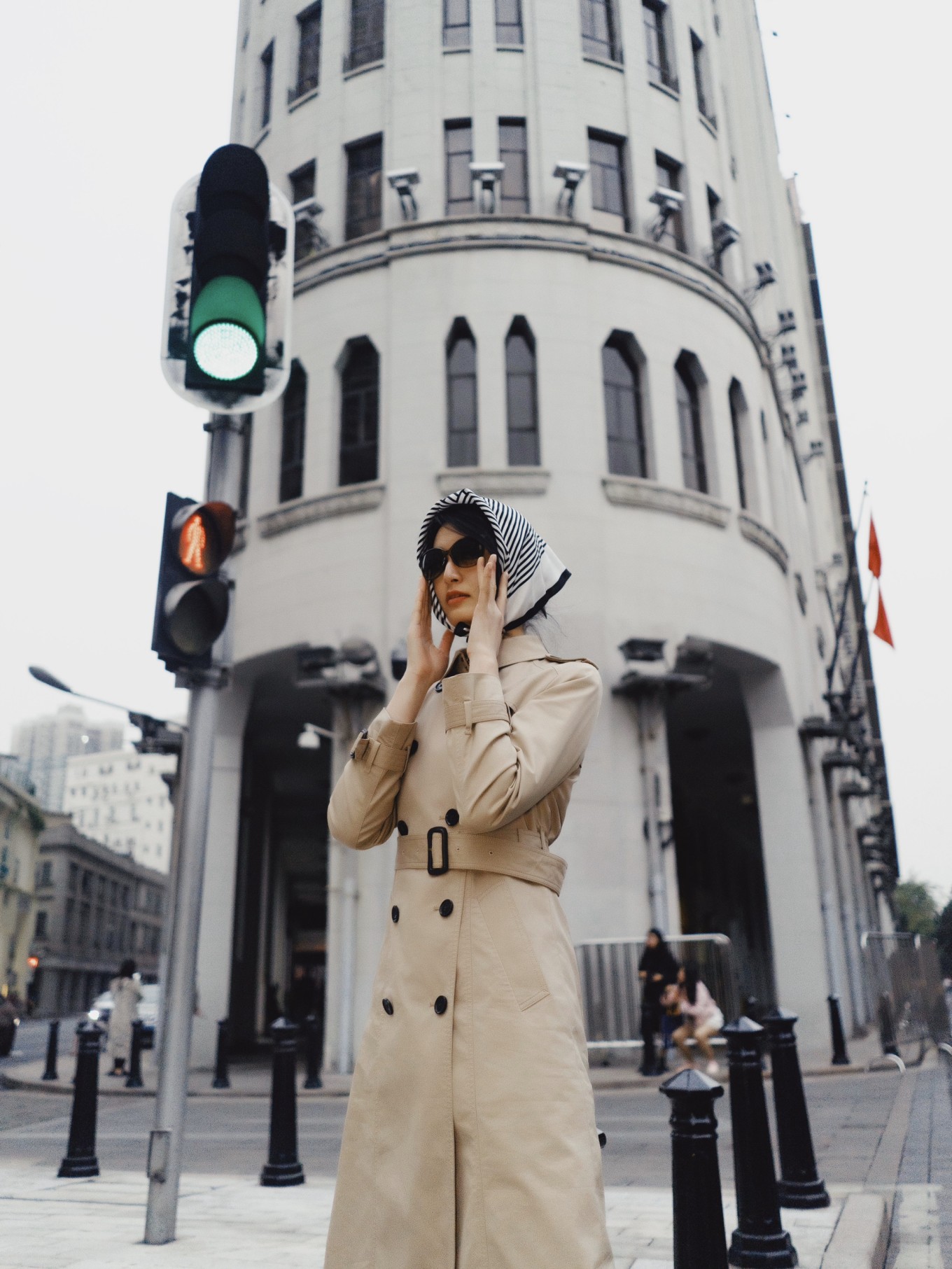
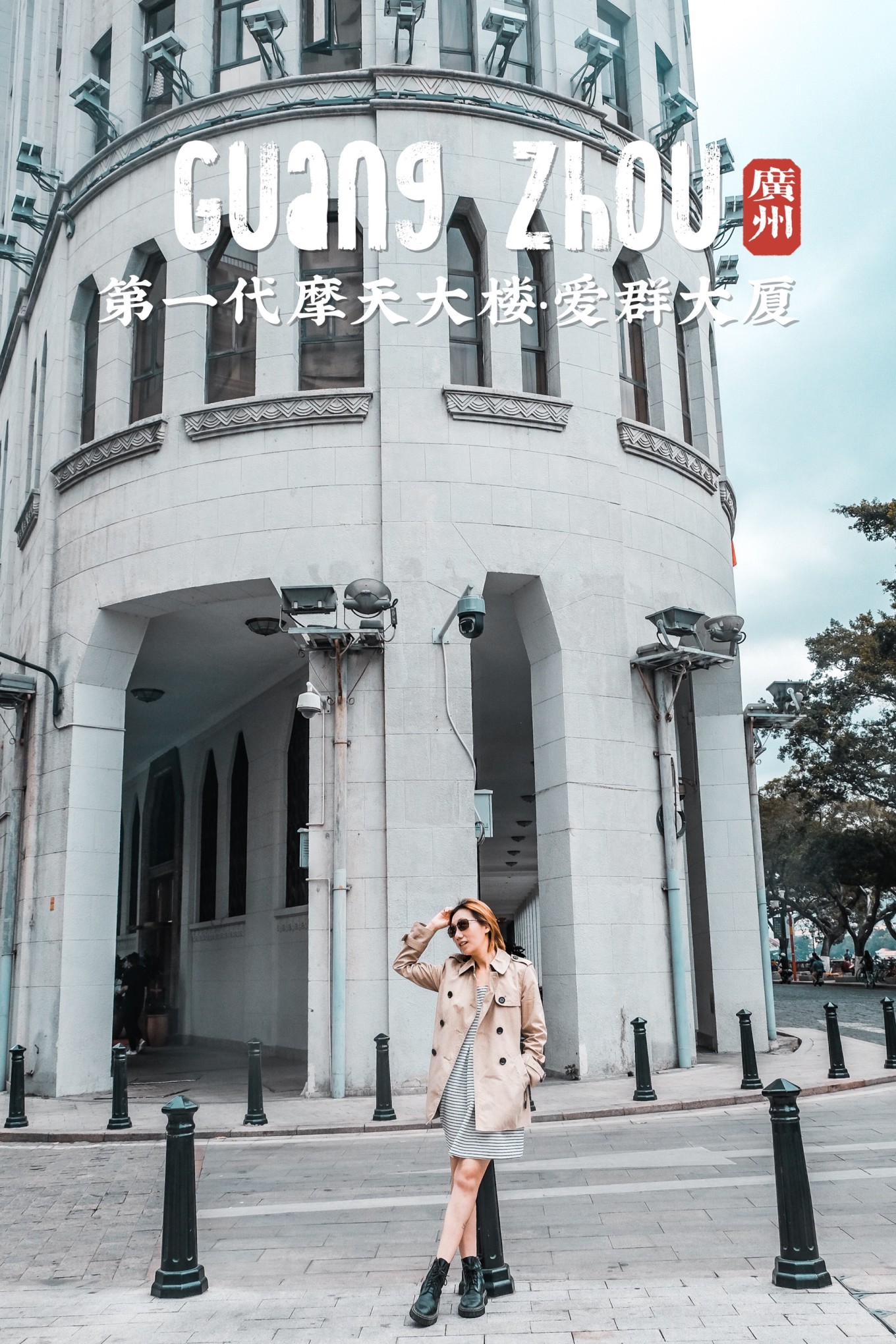
Sun Yat-sen Memorial Hall's blue roof and red columns work well in a wider garden setting. Aiqun Building adds a riverside urban silhouette associated with early modern Guangzhou.
Contemporary spaces
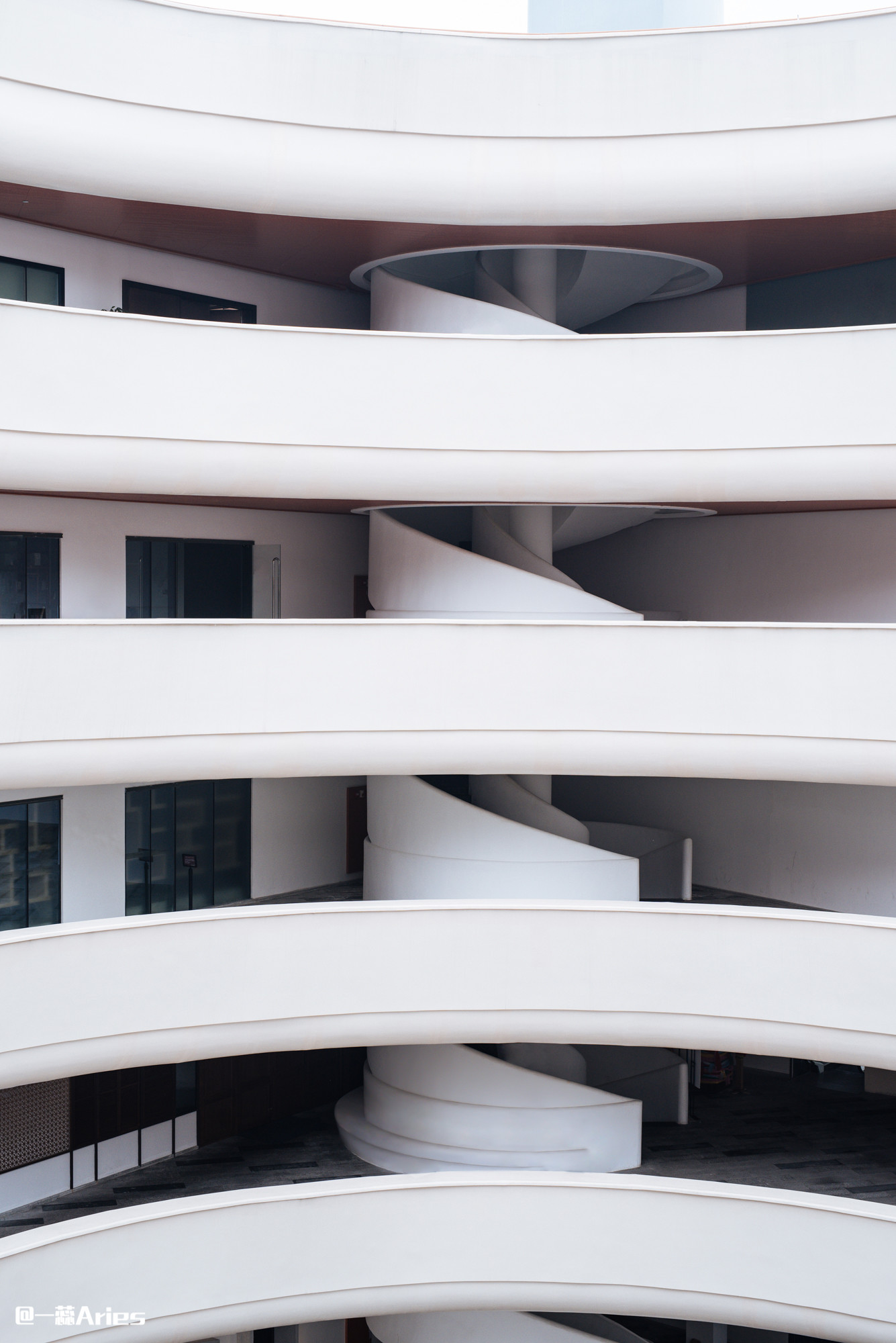
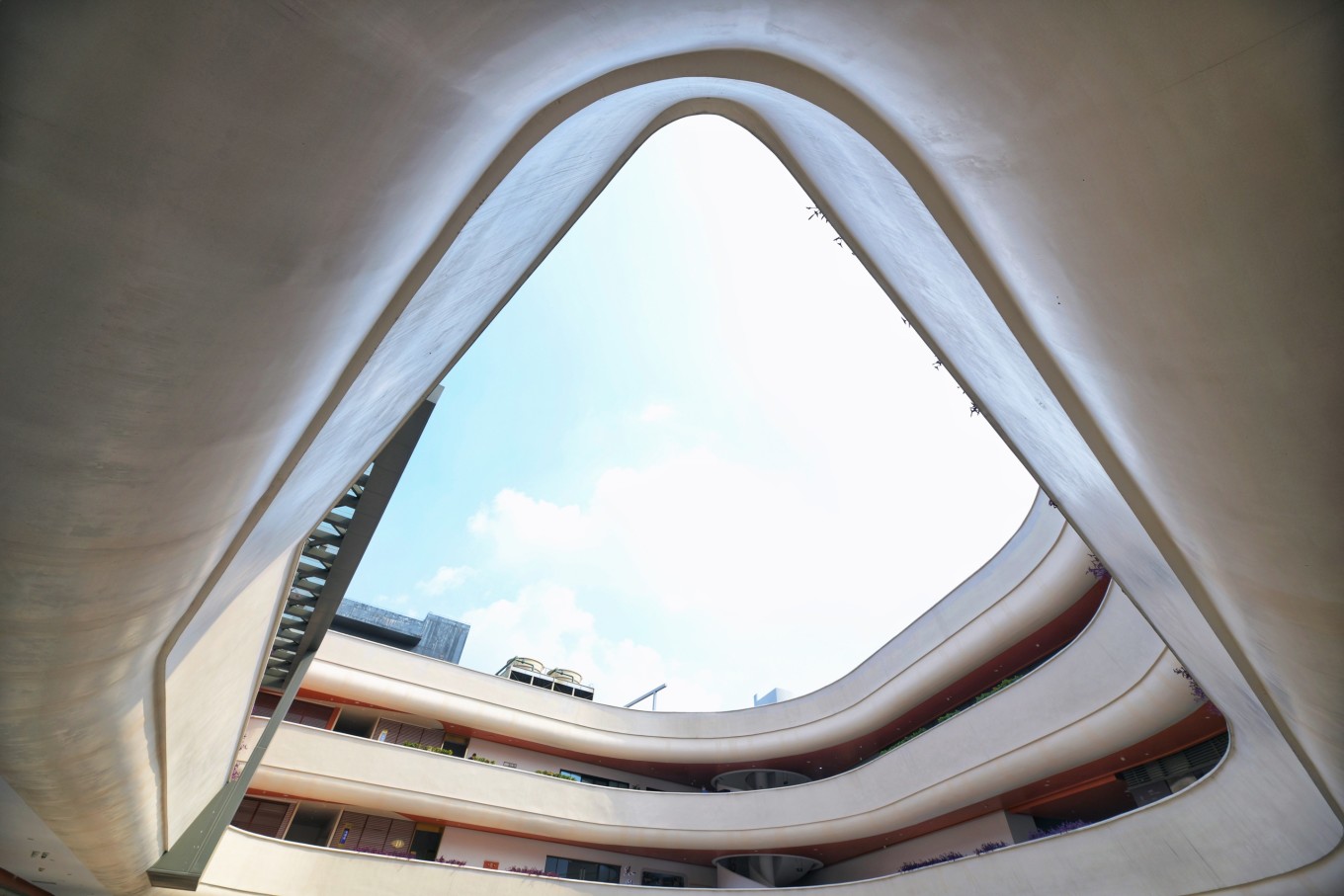
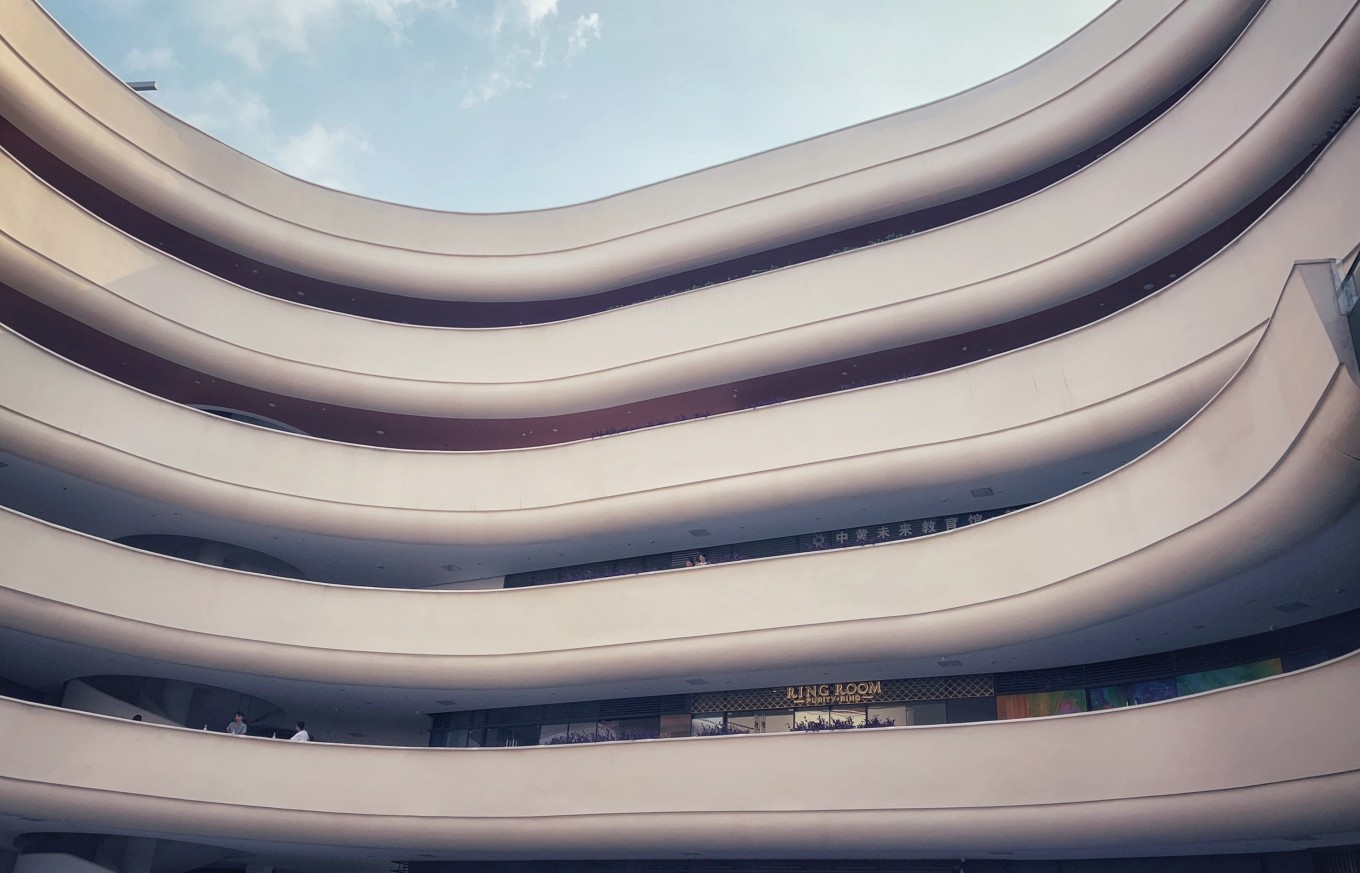
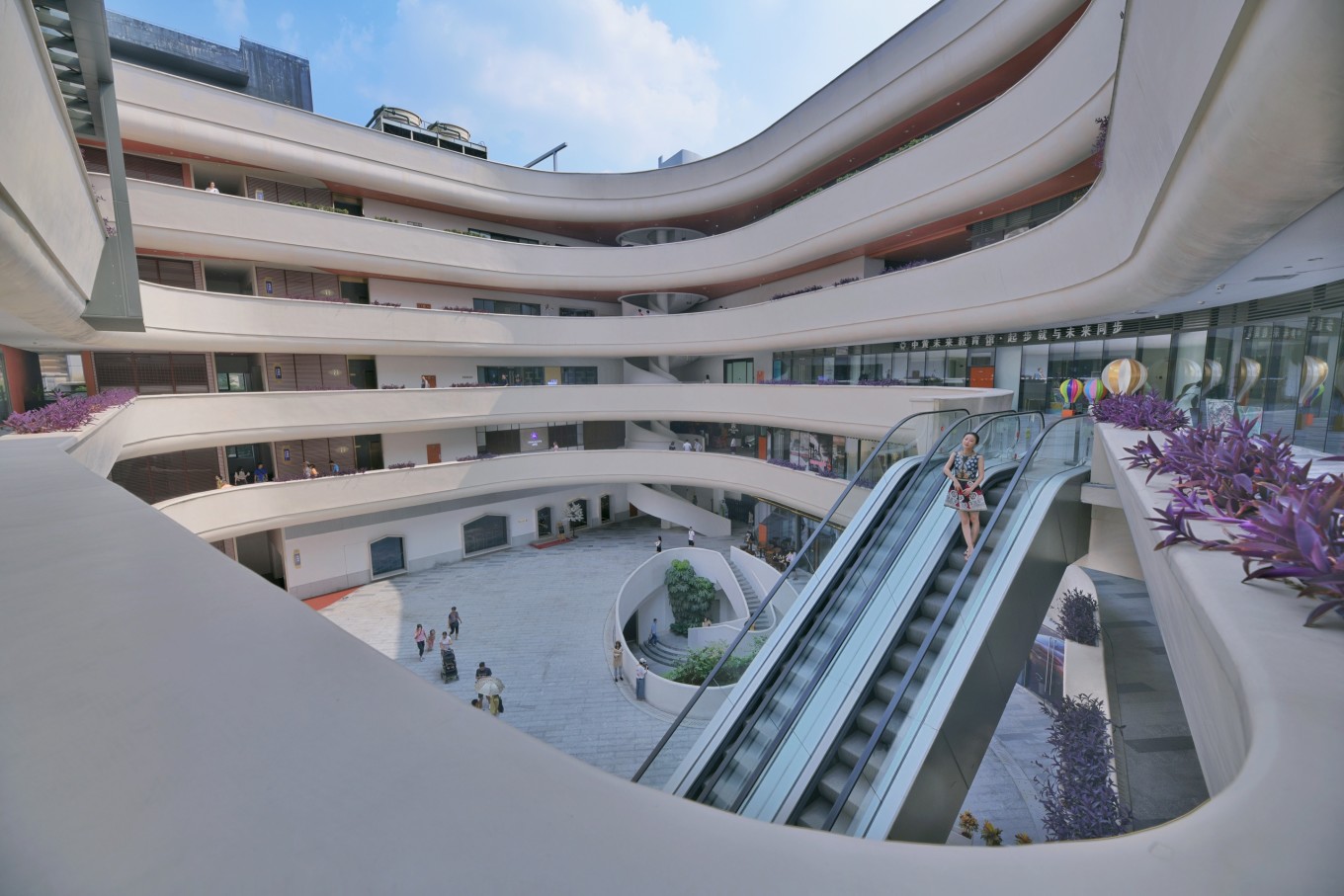
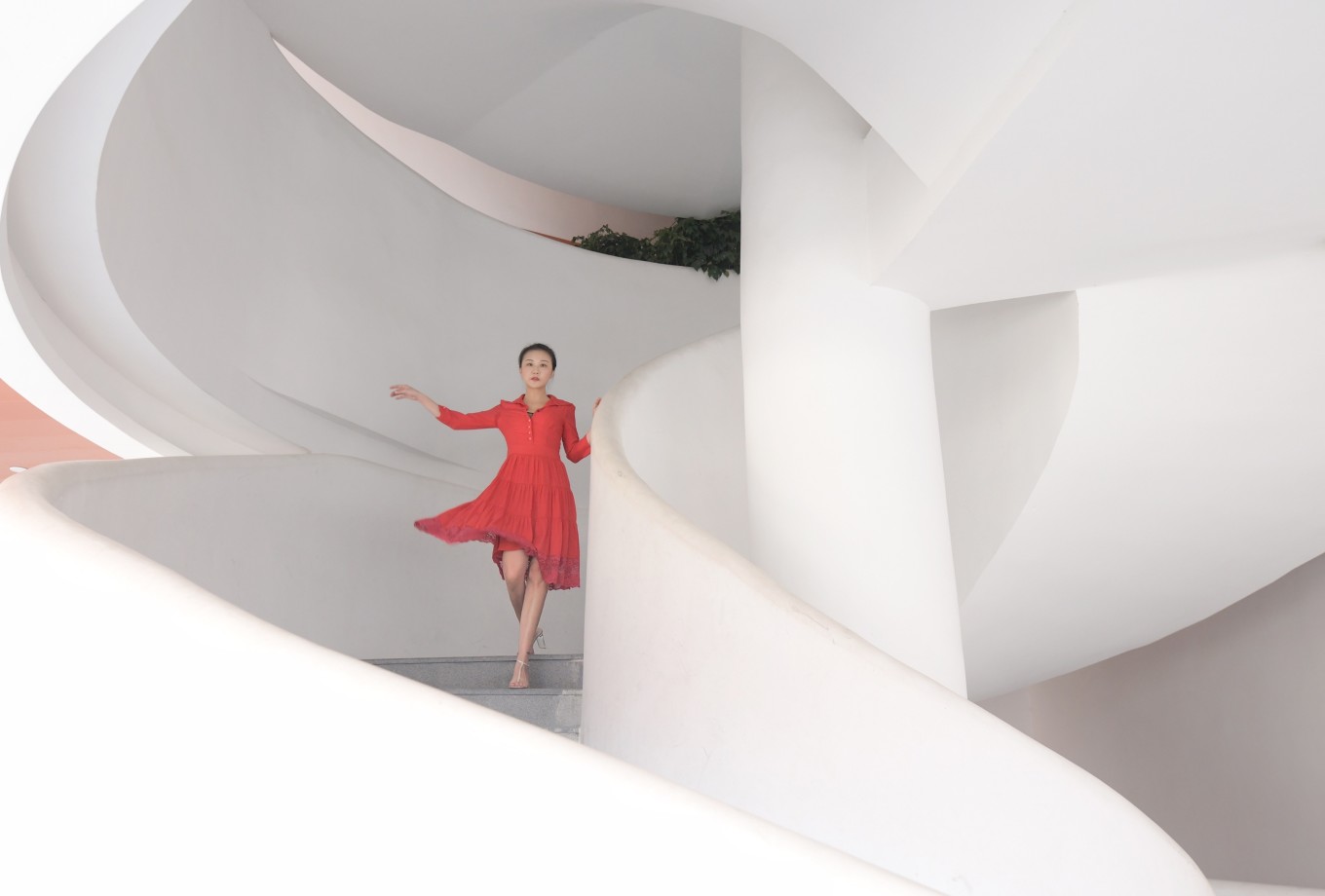
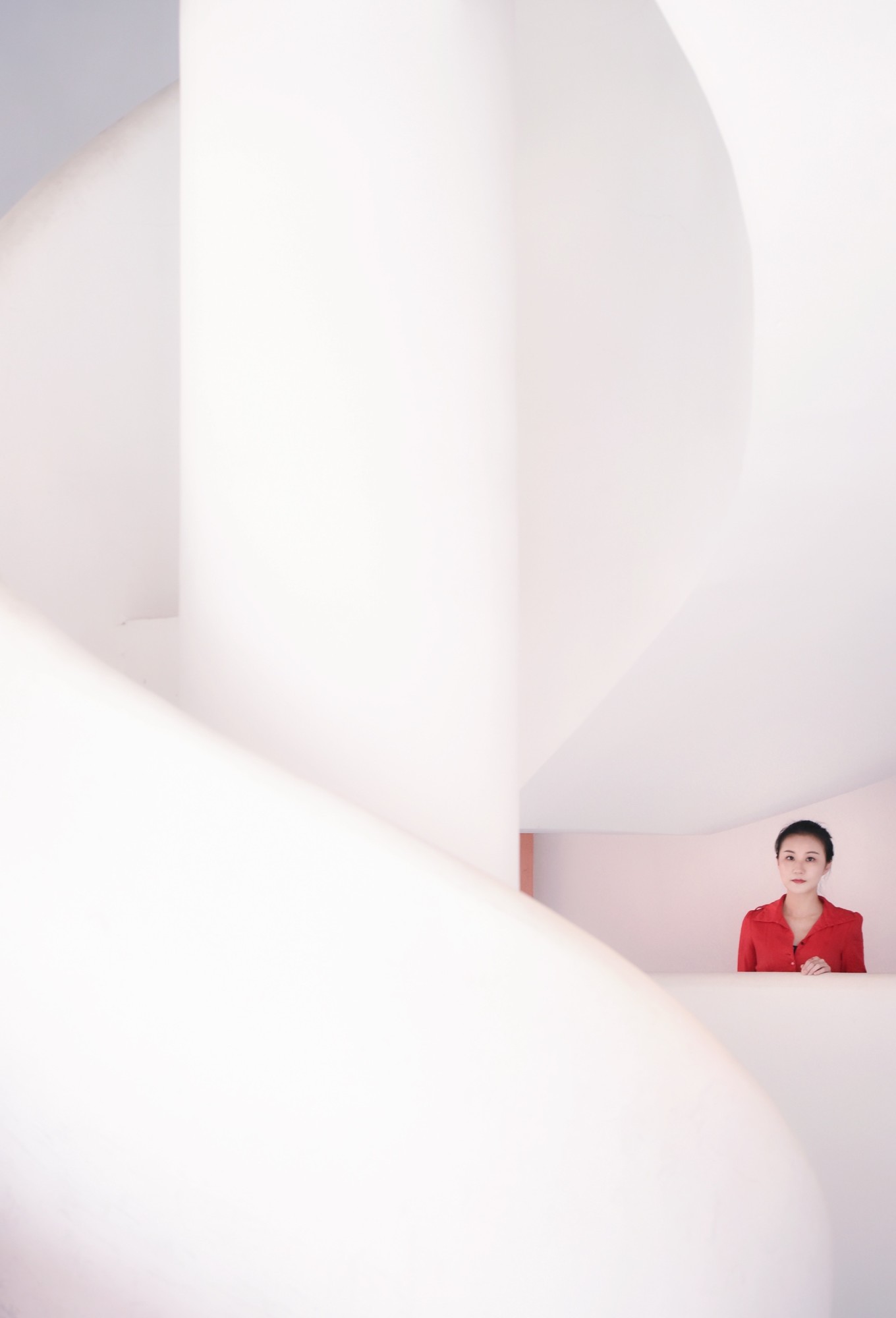
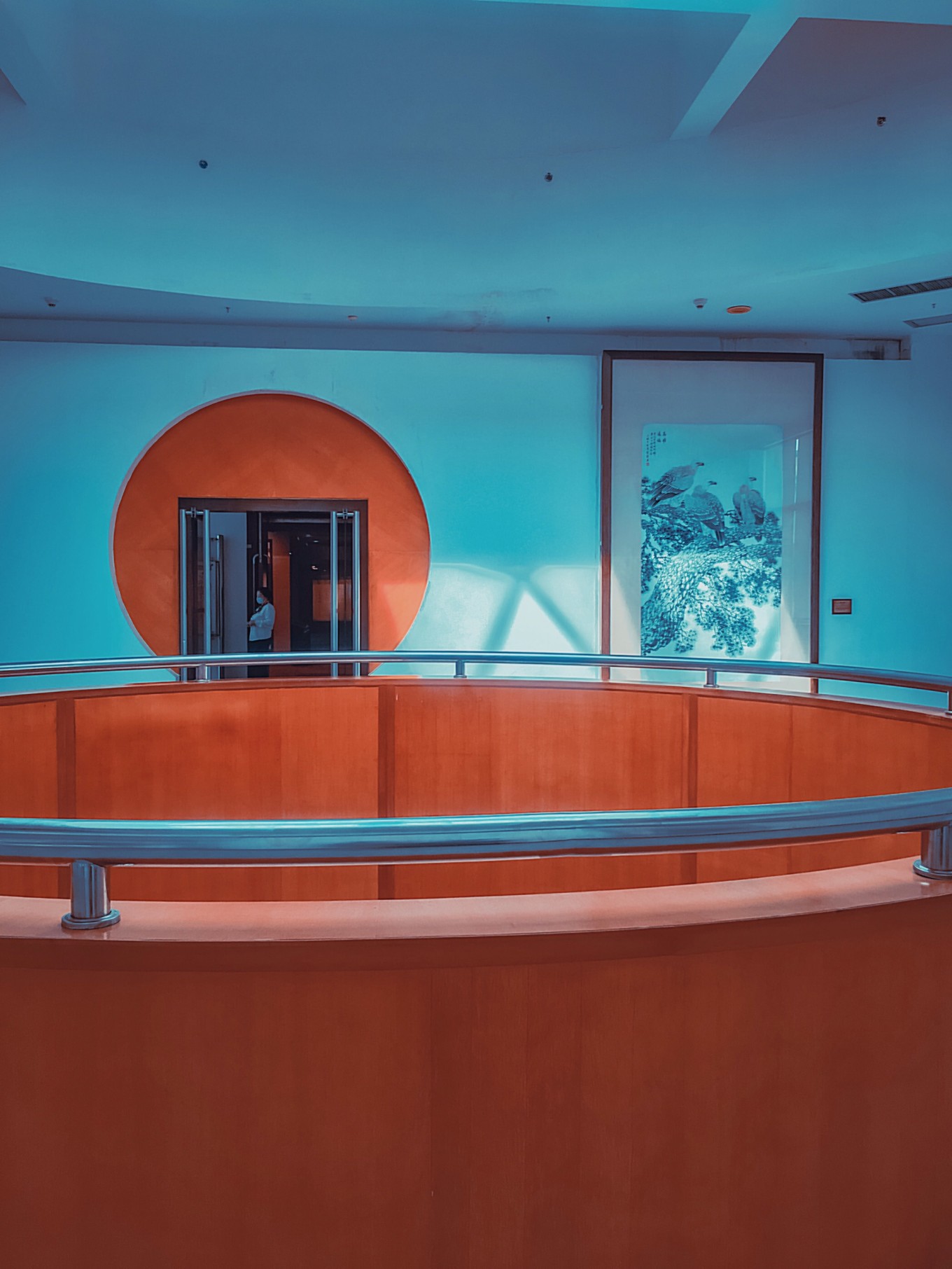
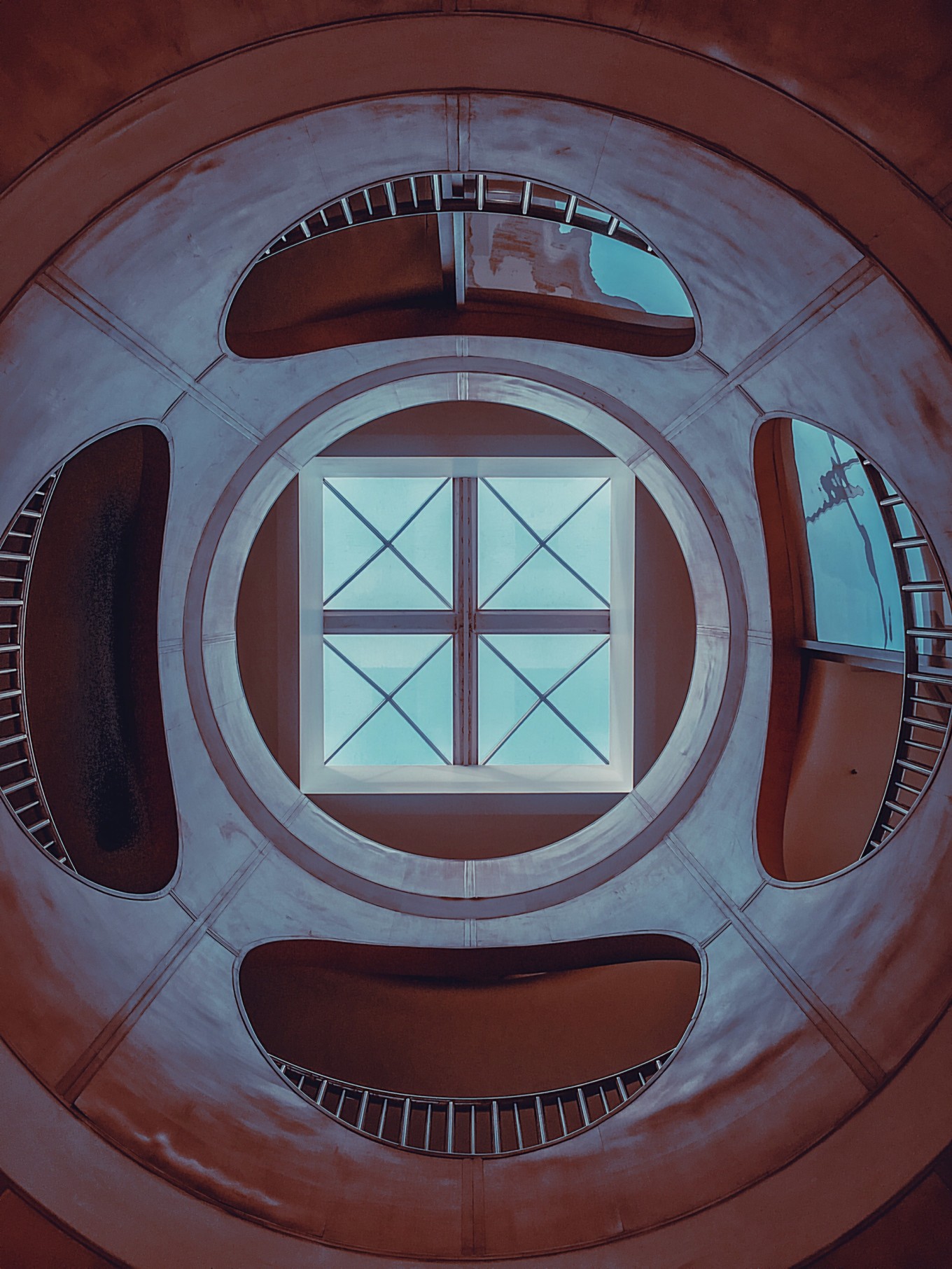
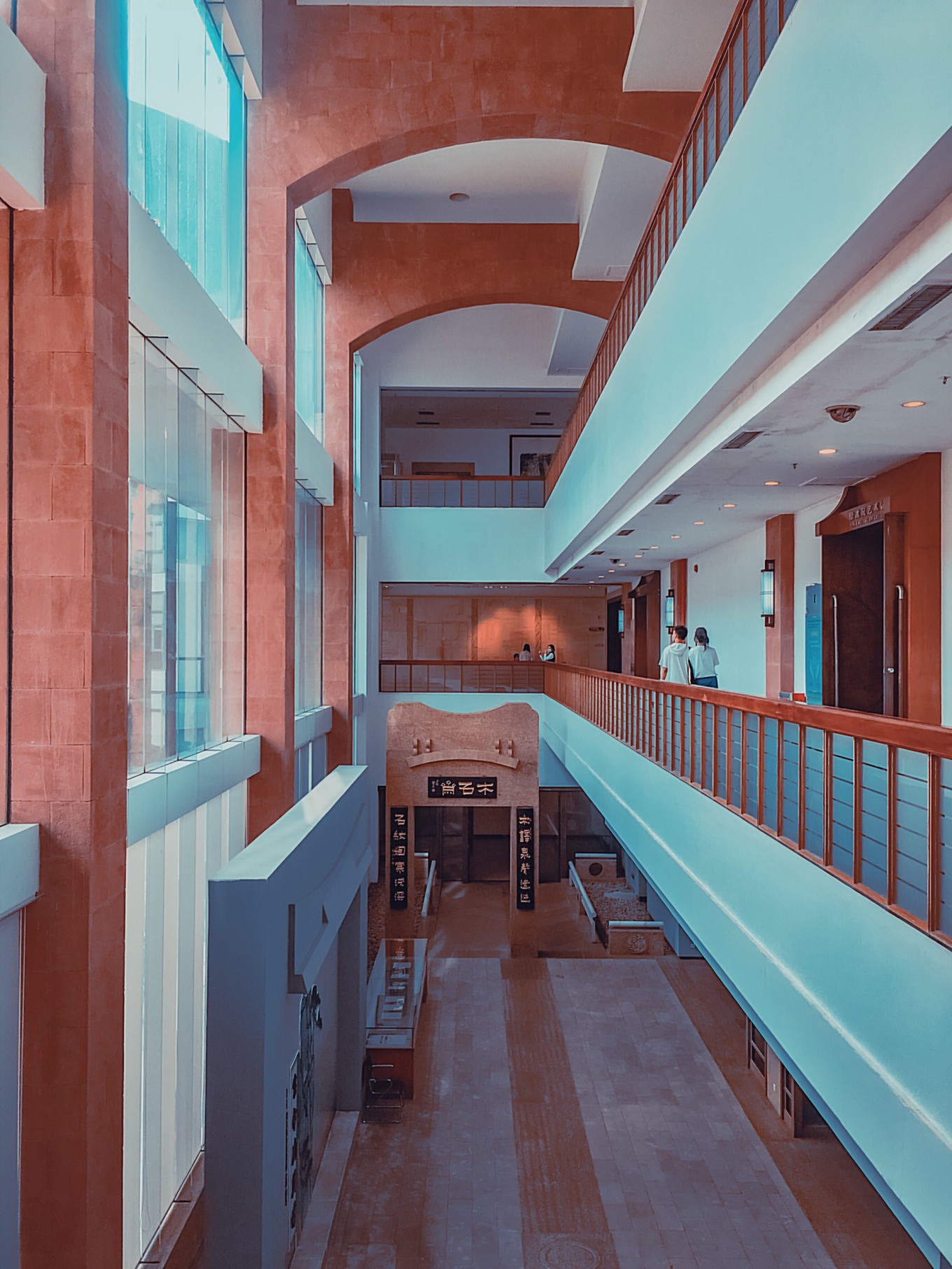
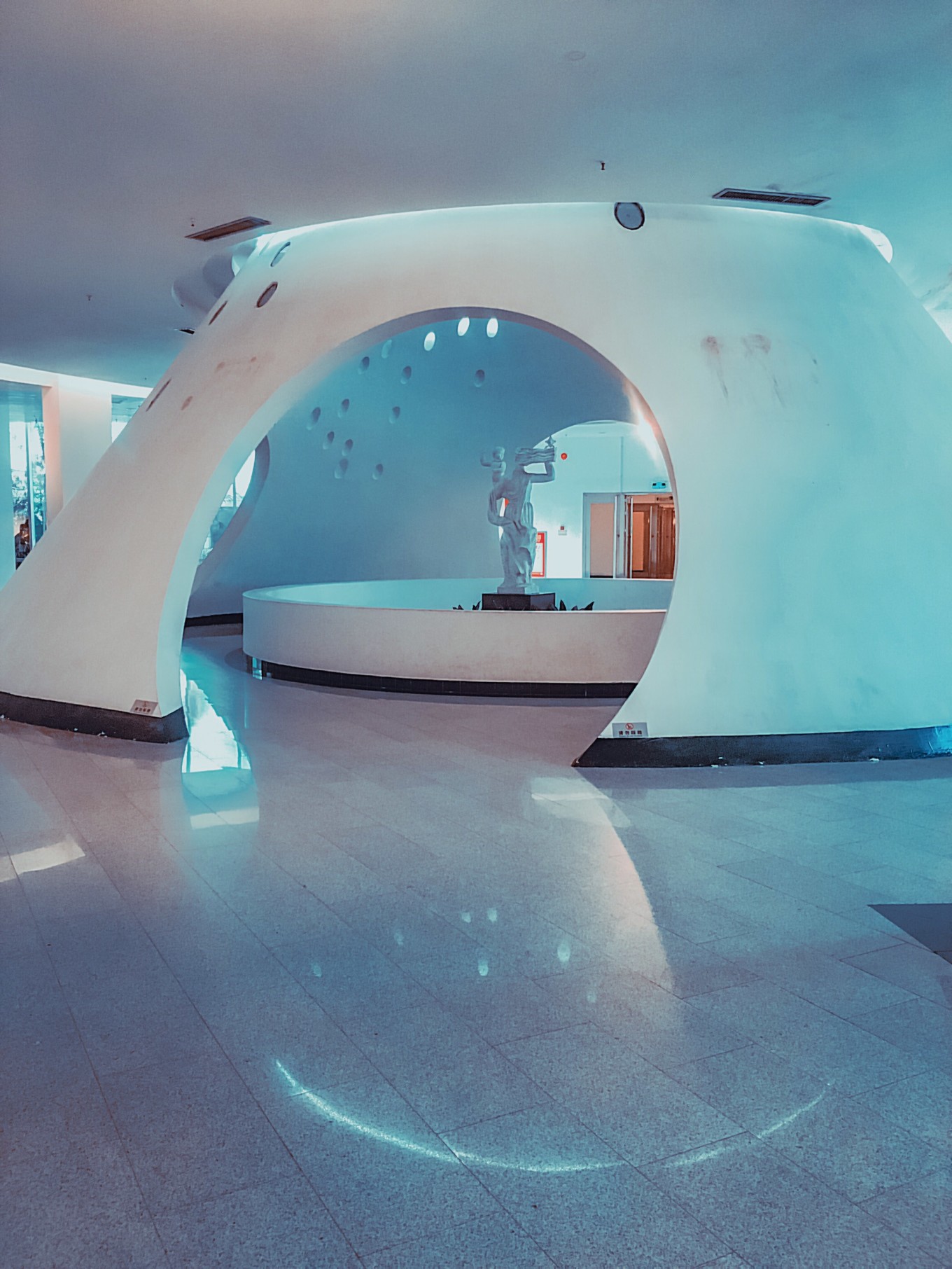
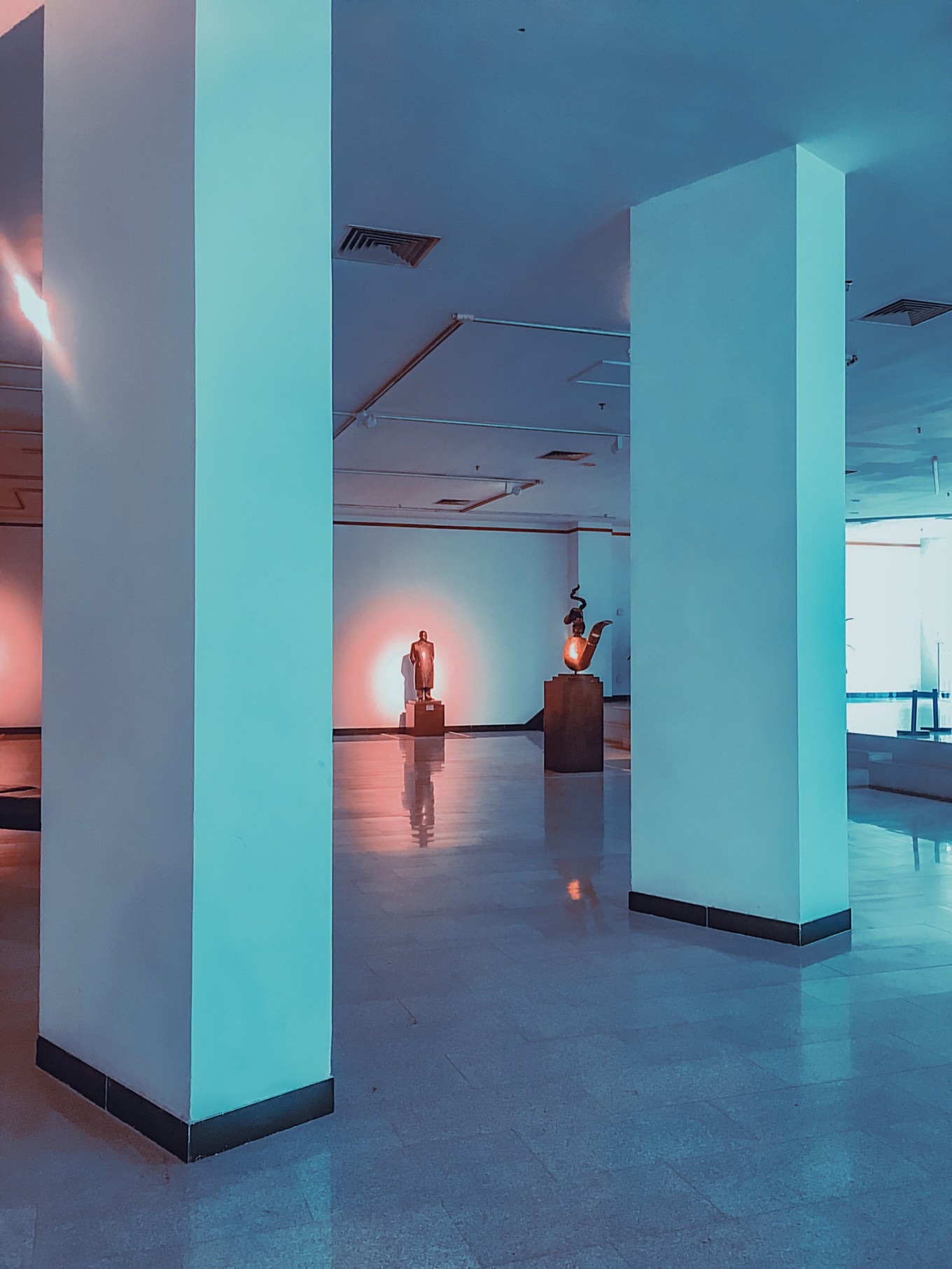
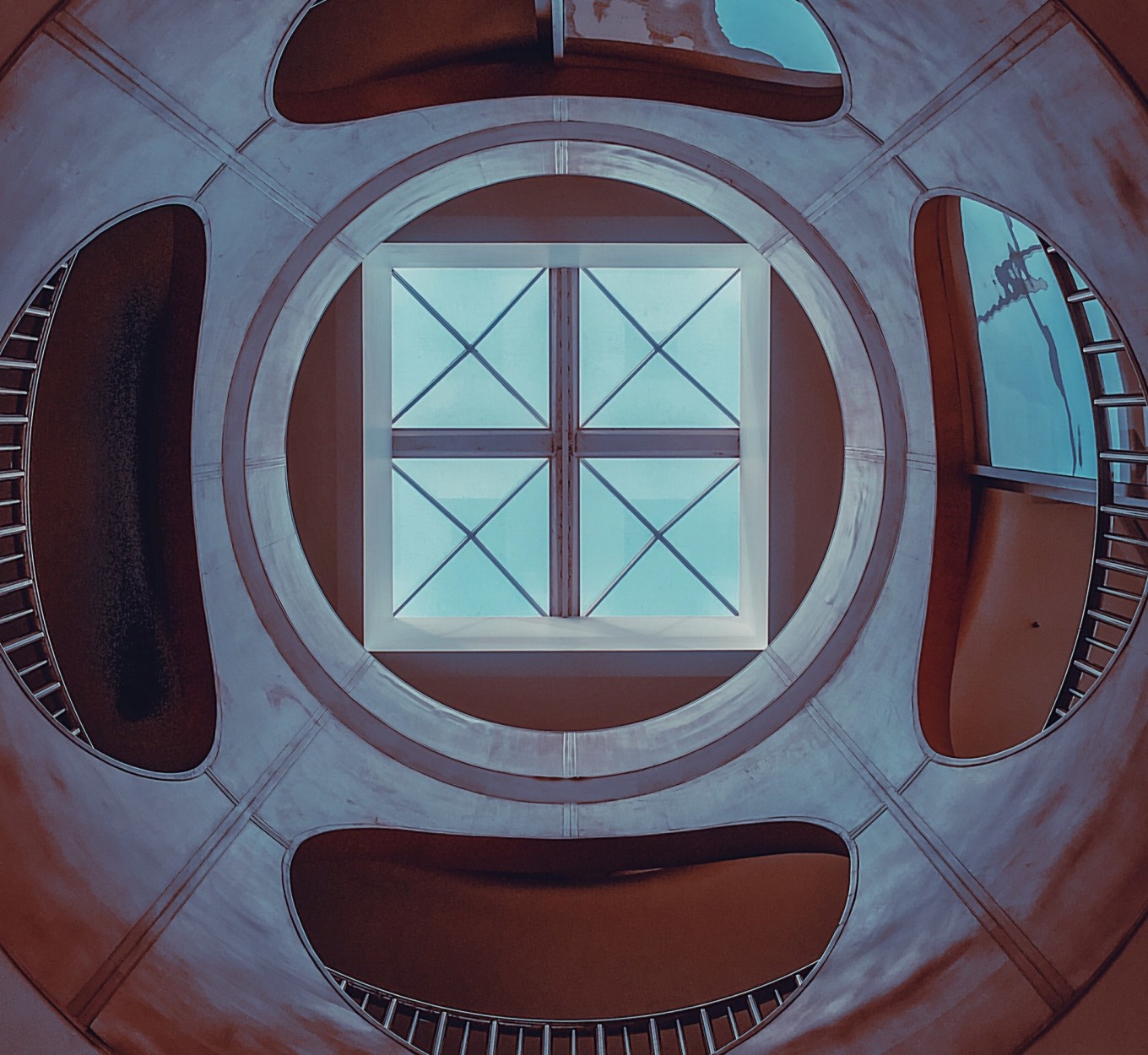
Wenlifang on Ersha Island uses stacked forms and openings that invite geometric compositions. The source's art-museum discussion reflects the venue and publication period, so verify the current building and exhibitions before planning an interior shoot.
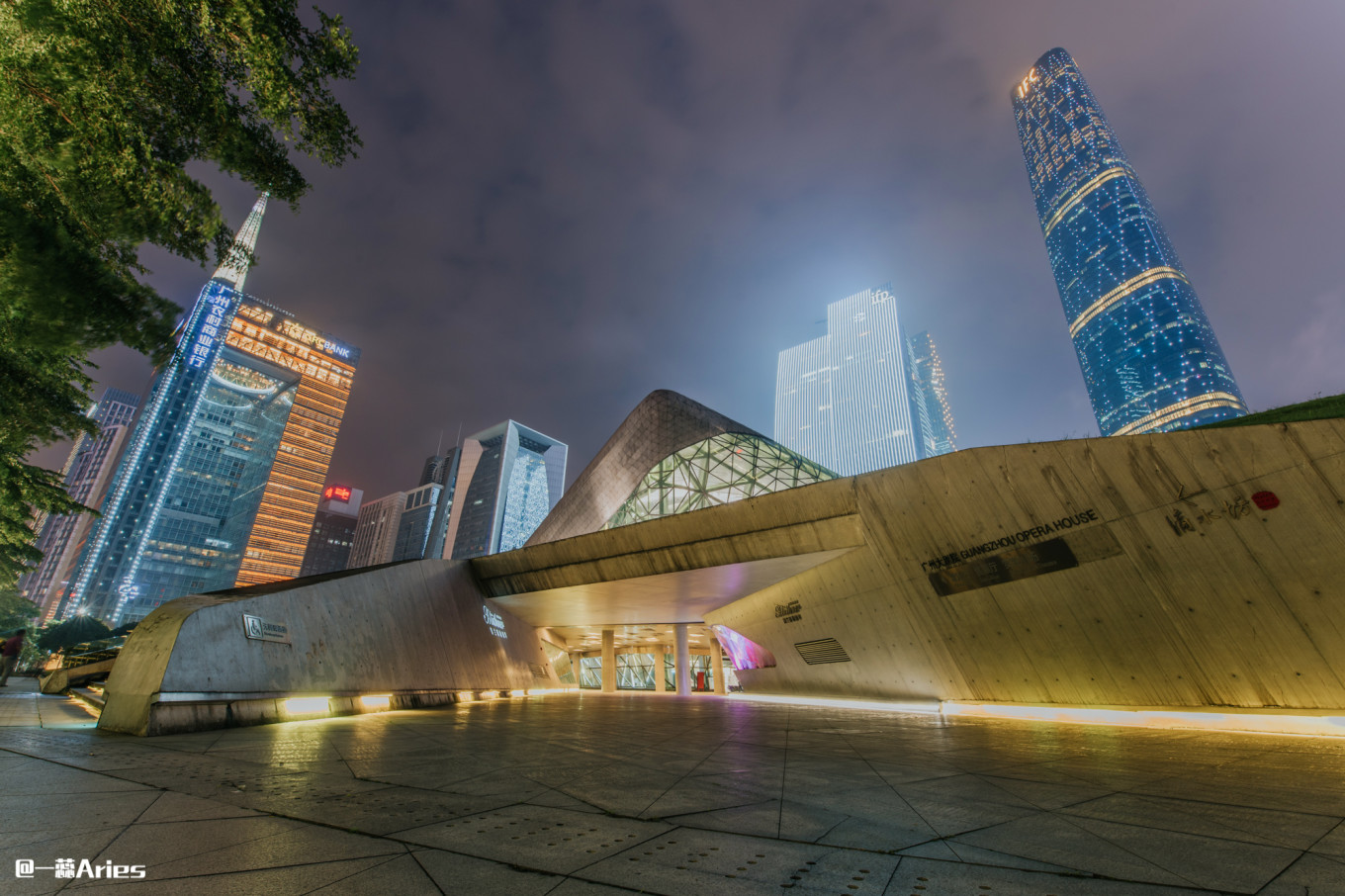
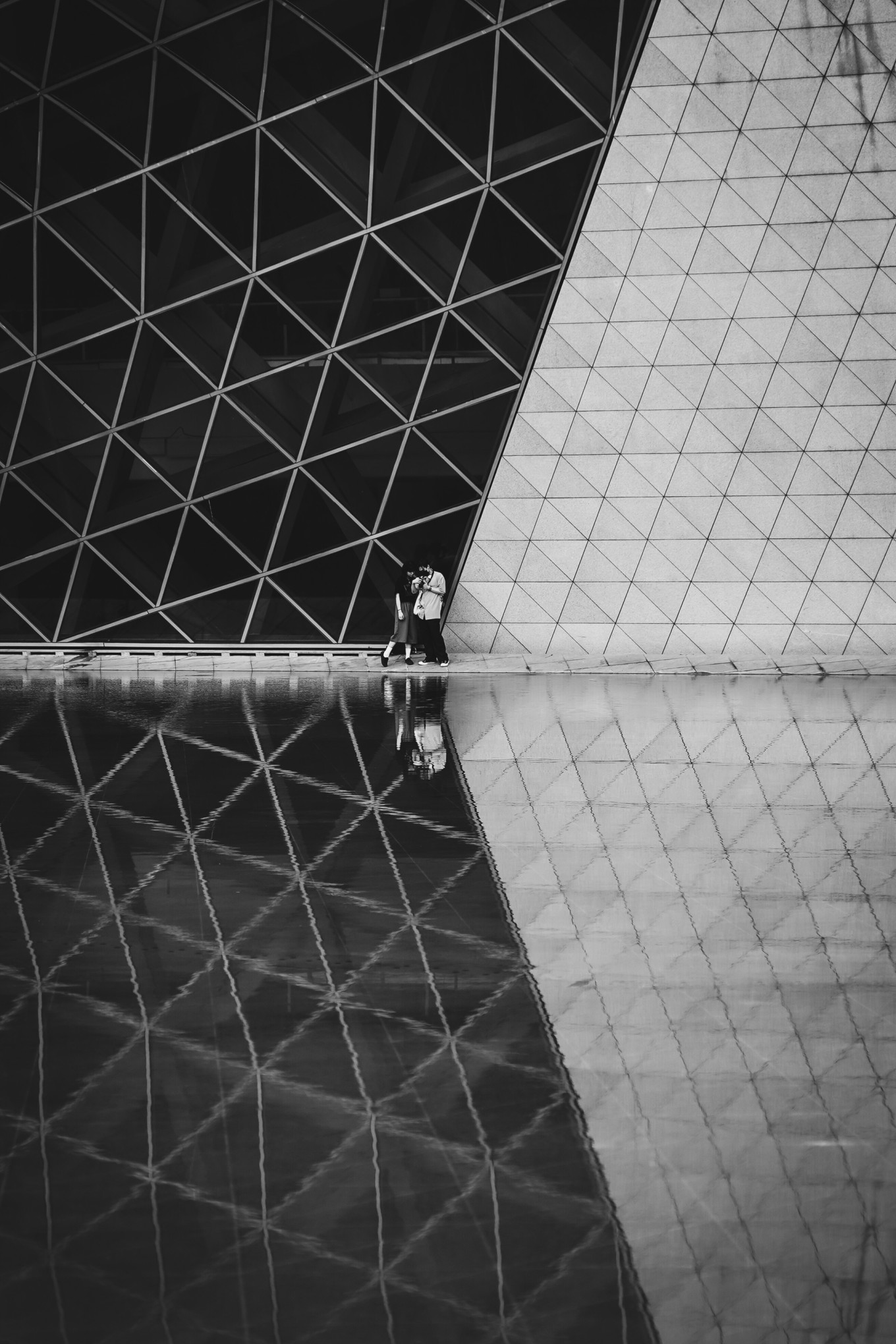
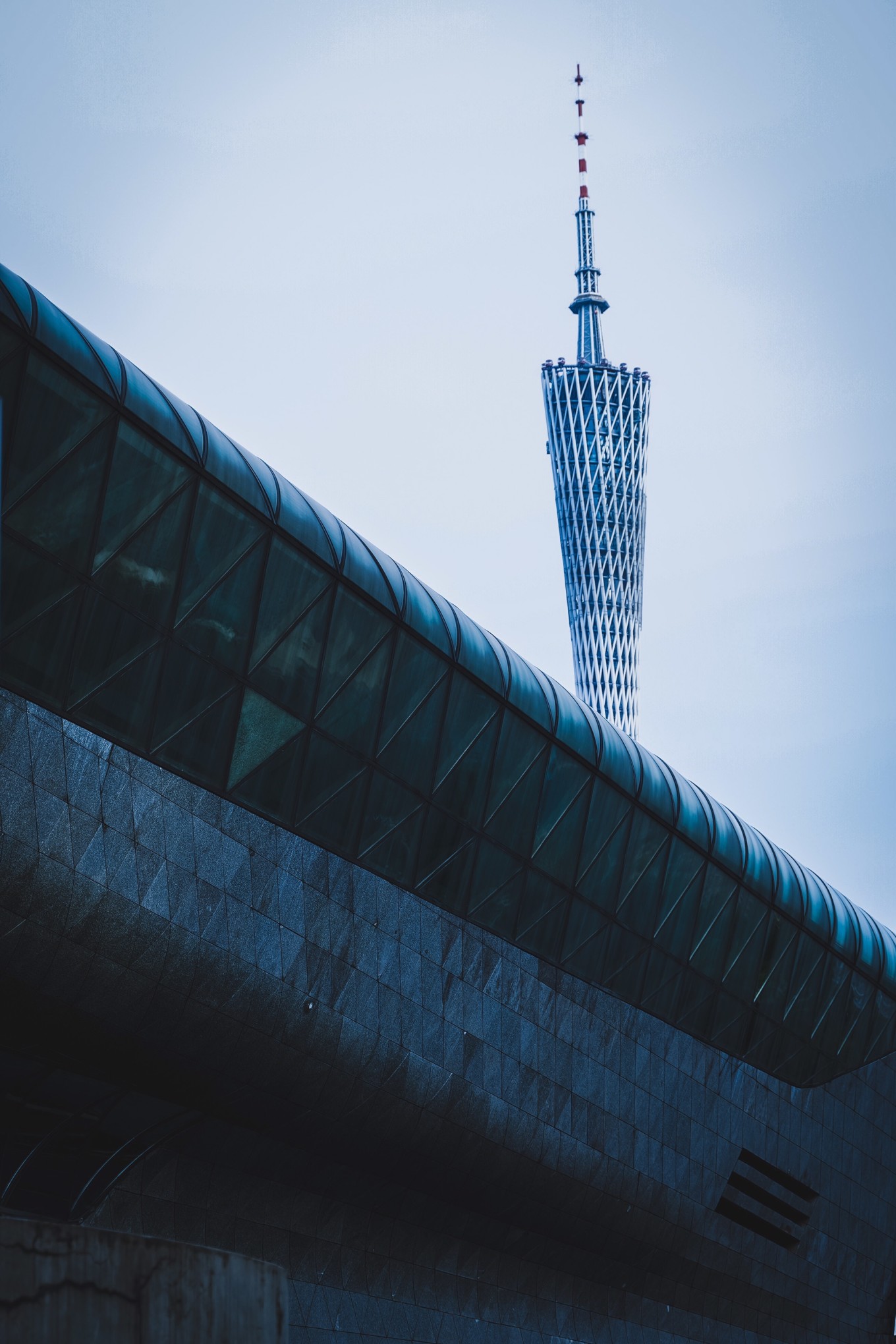
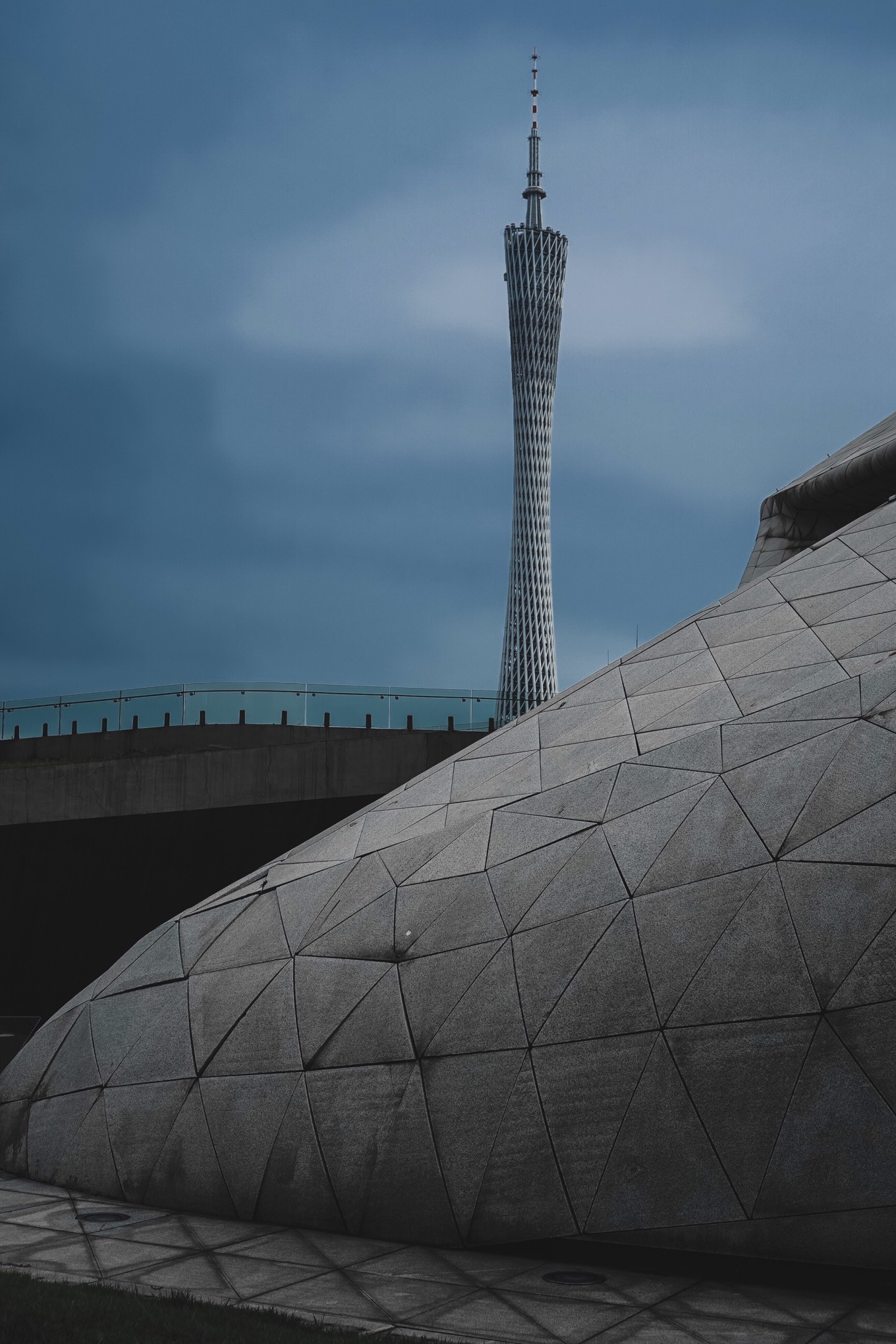
Guangzhou Opera House, designed by Zaha Hadid, is especially rewarding for the relationship between its angular surfaces, open plaza and water. Walk around the exterior before deciding on a single viewpoint.
Make the photograph about the building
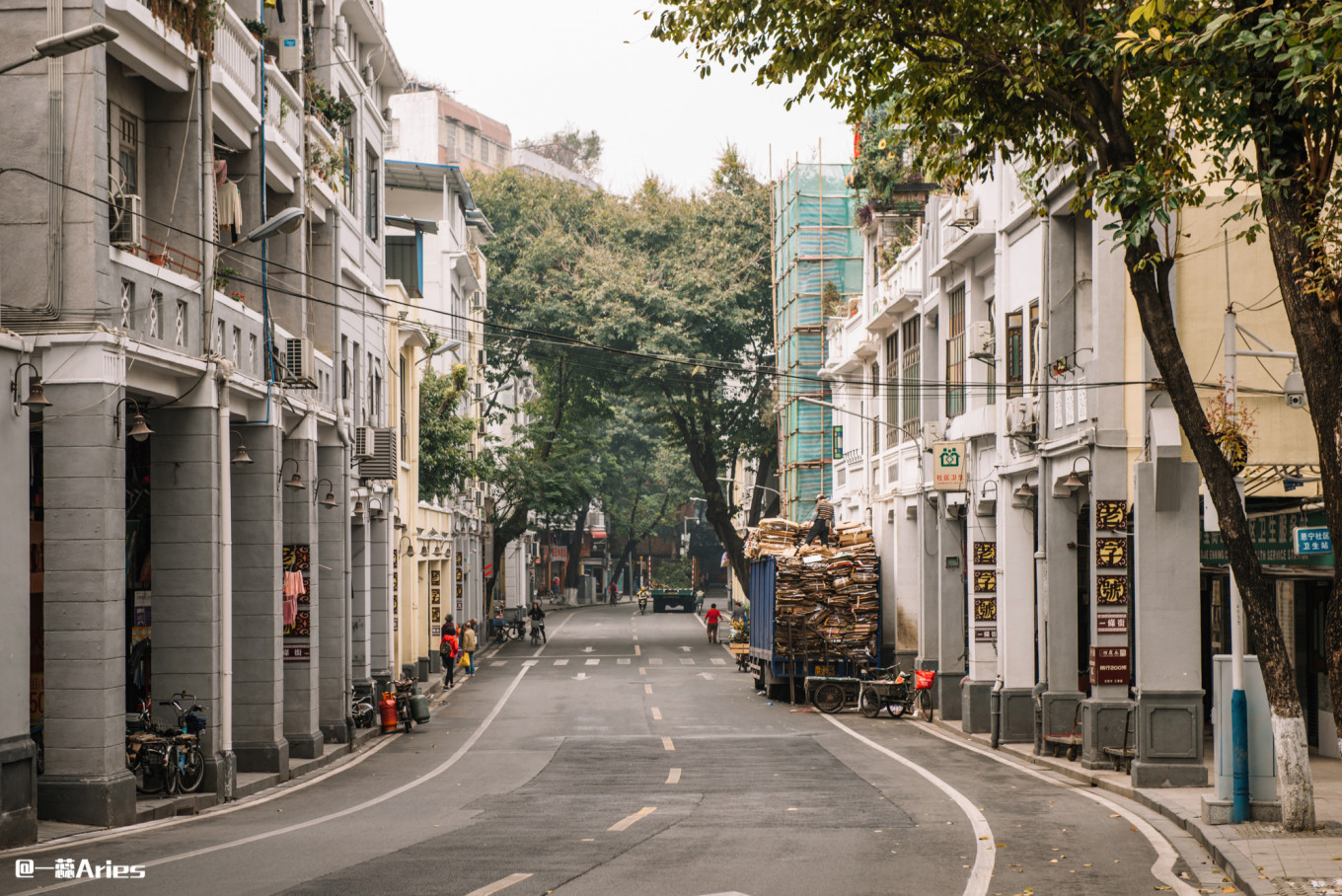
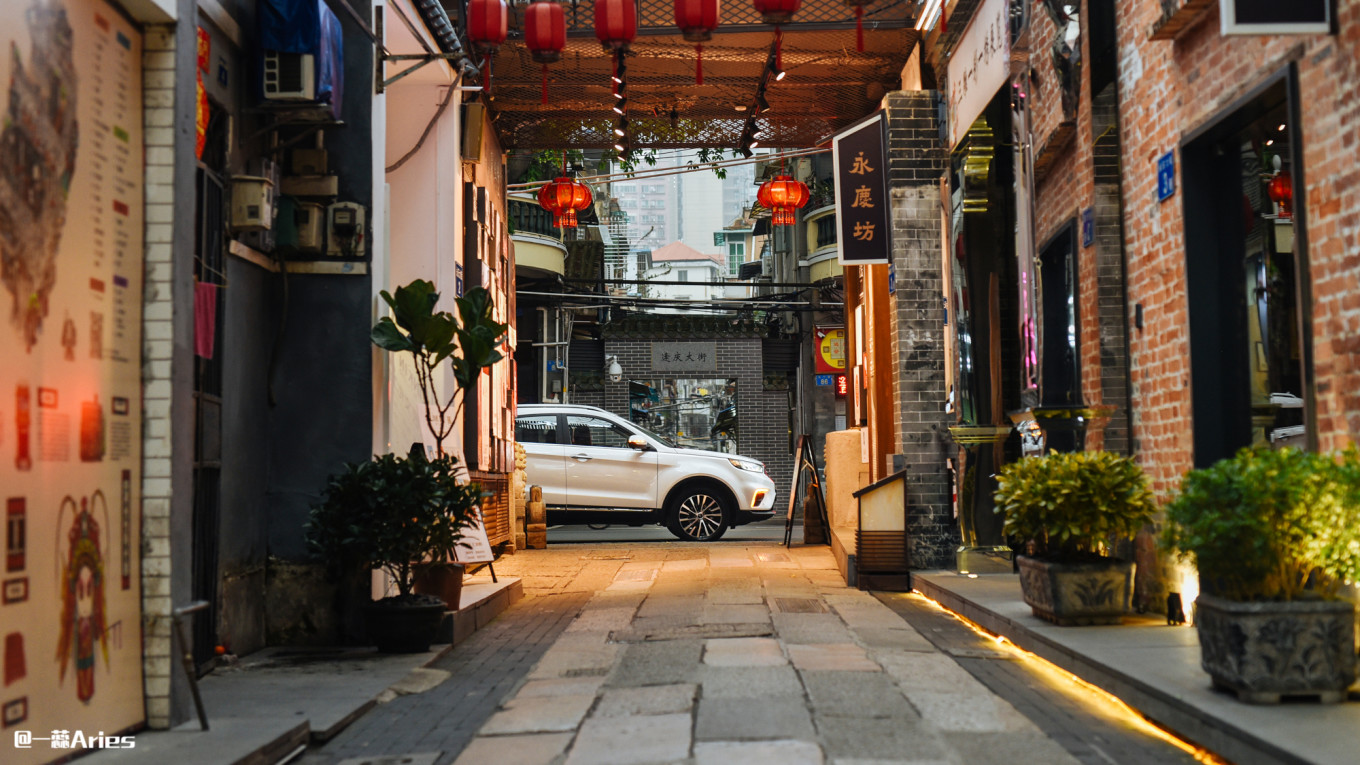
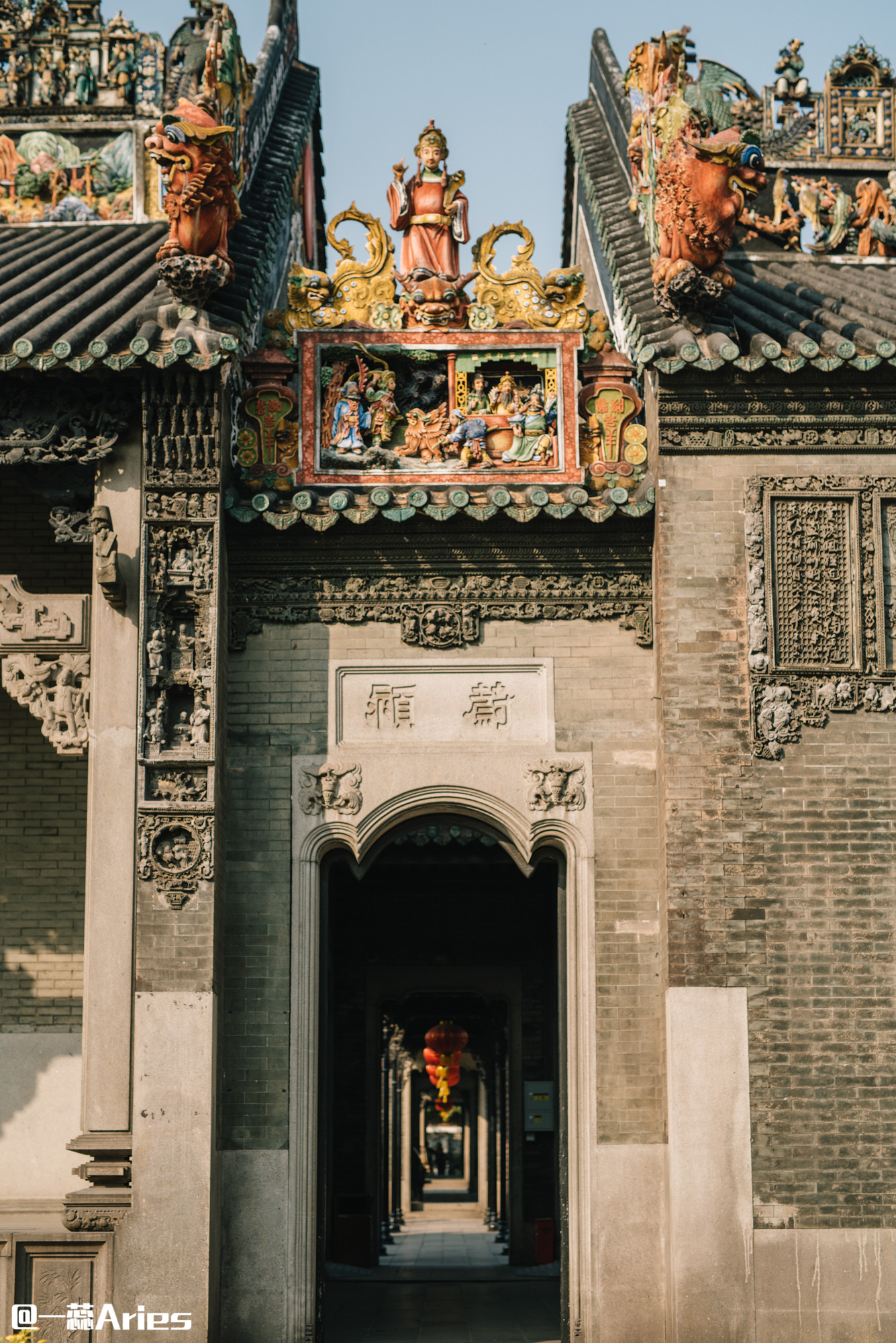
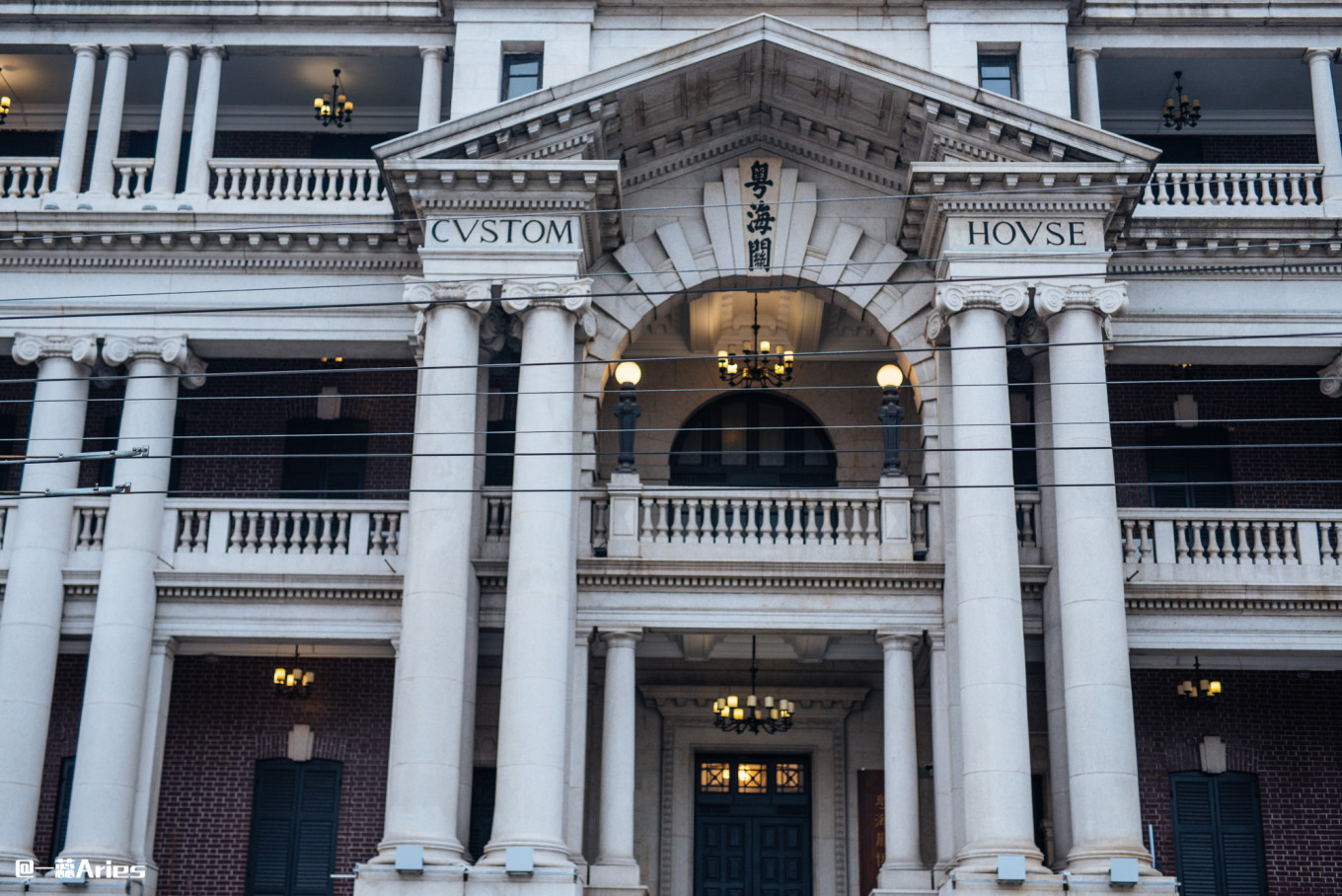
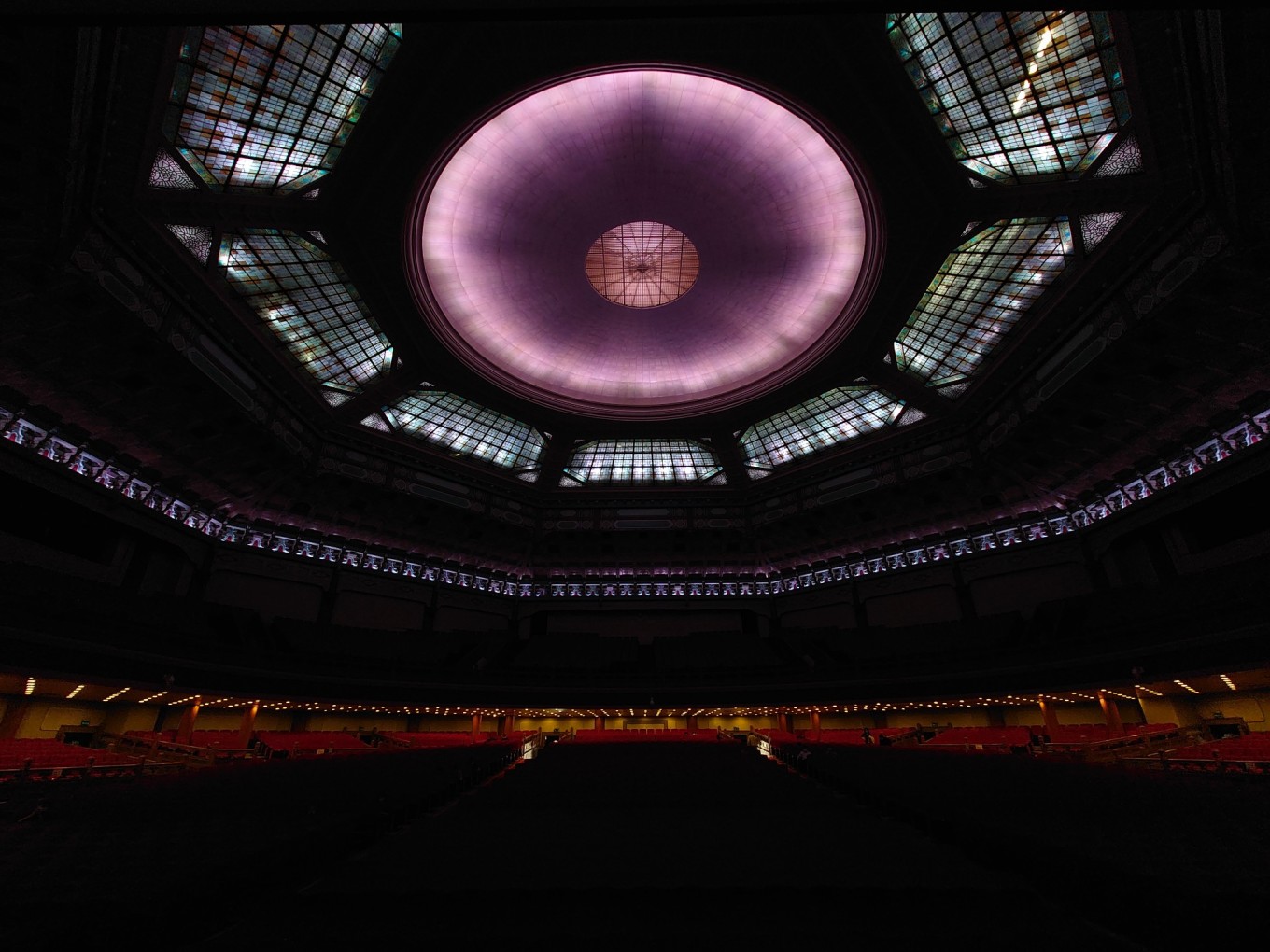
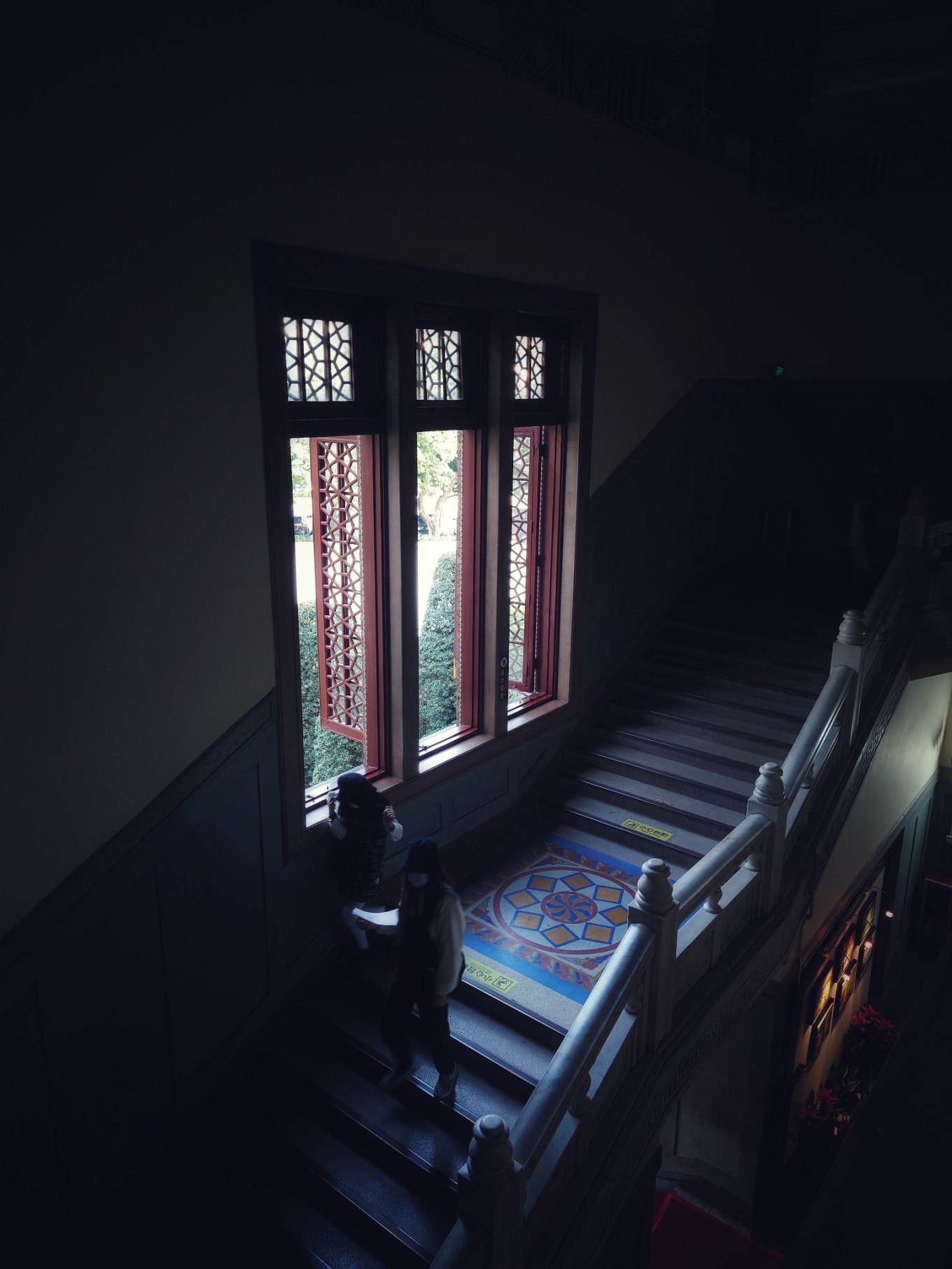
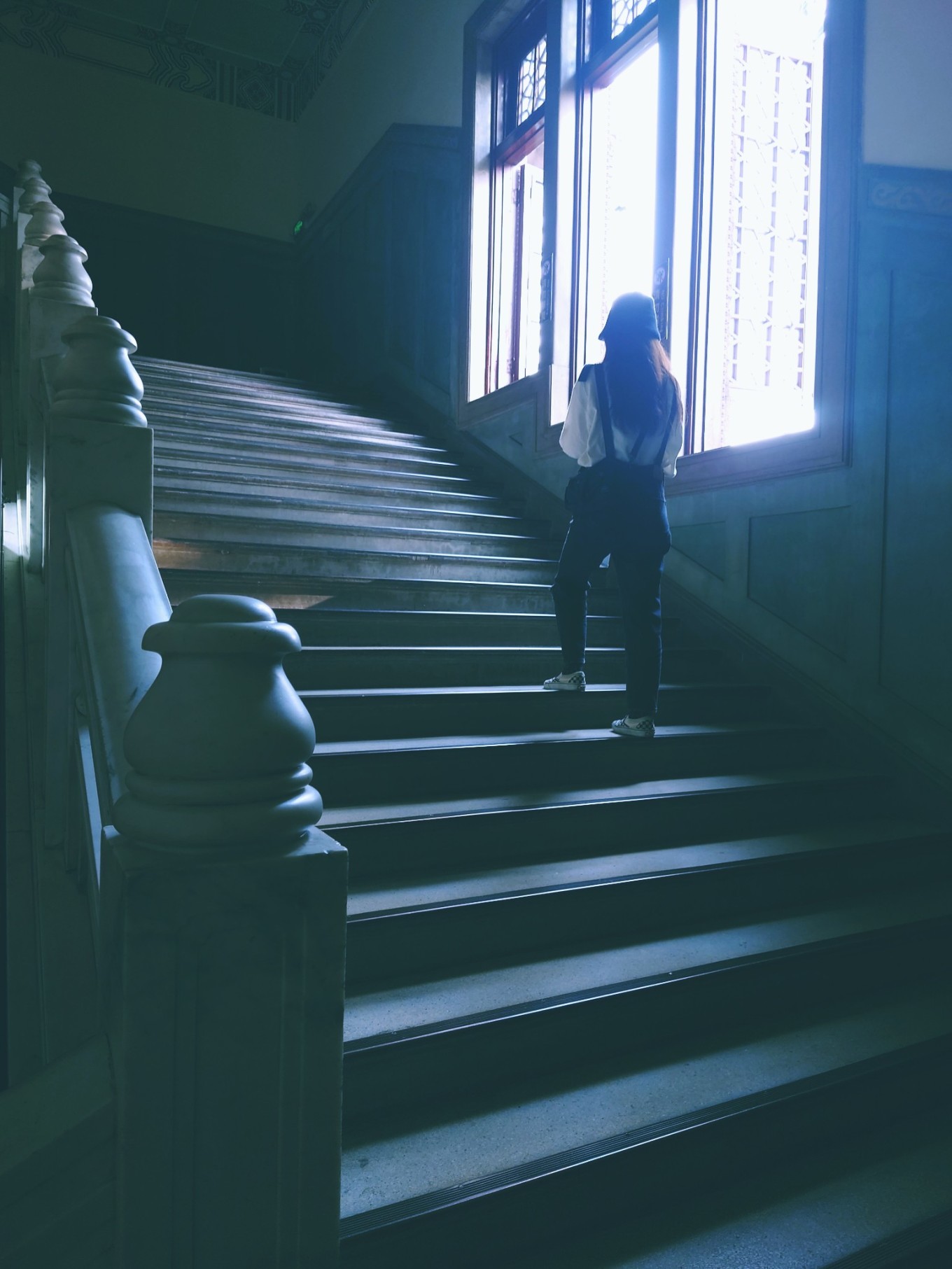
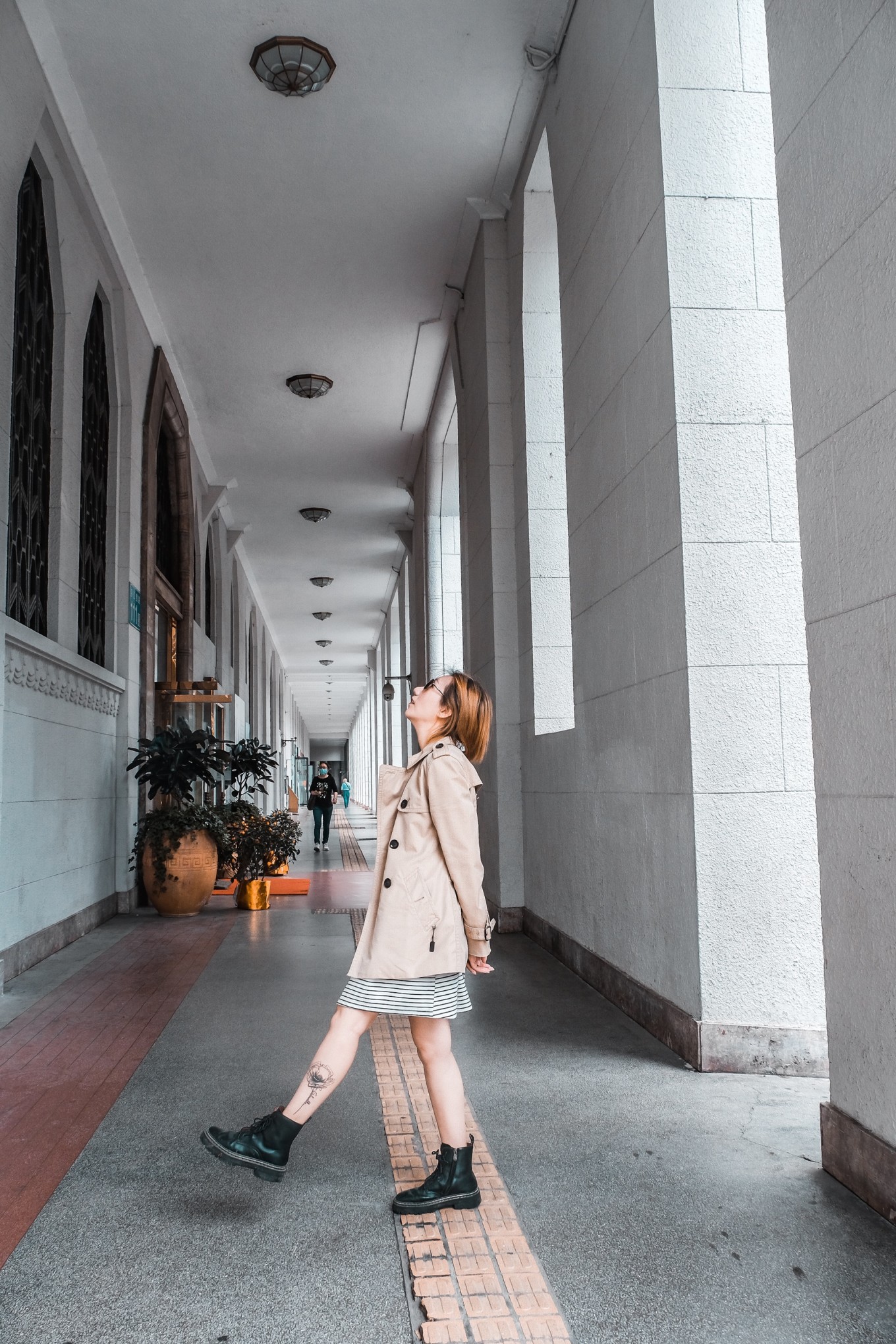
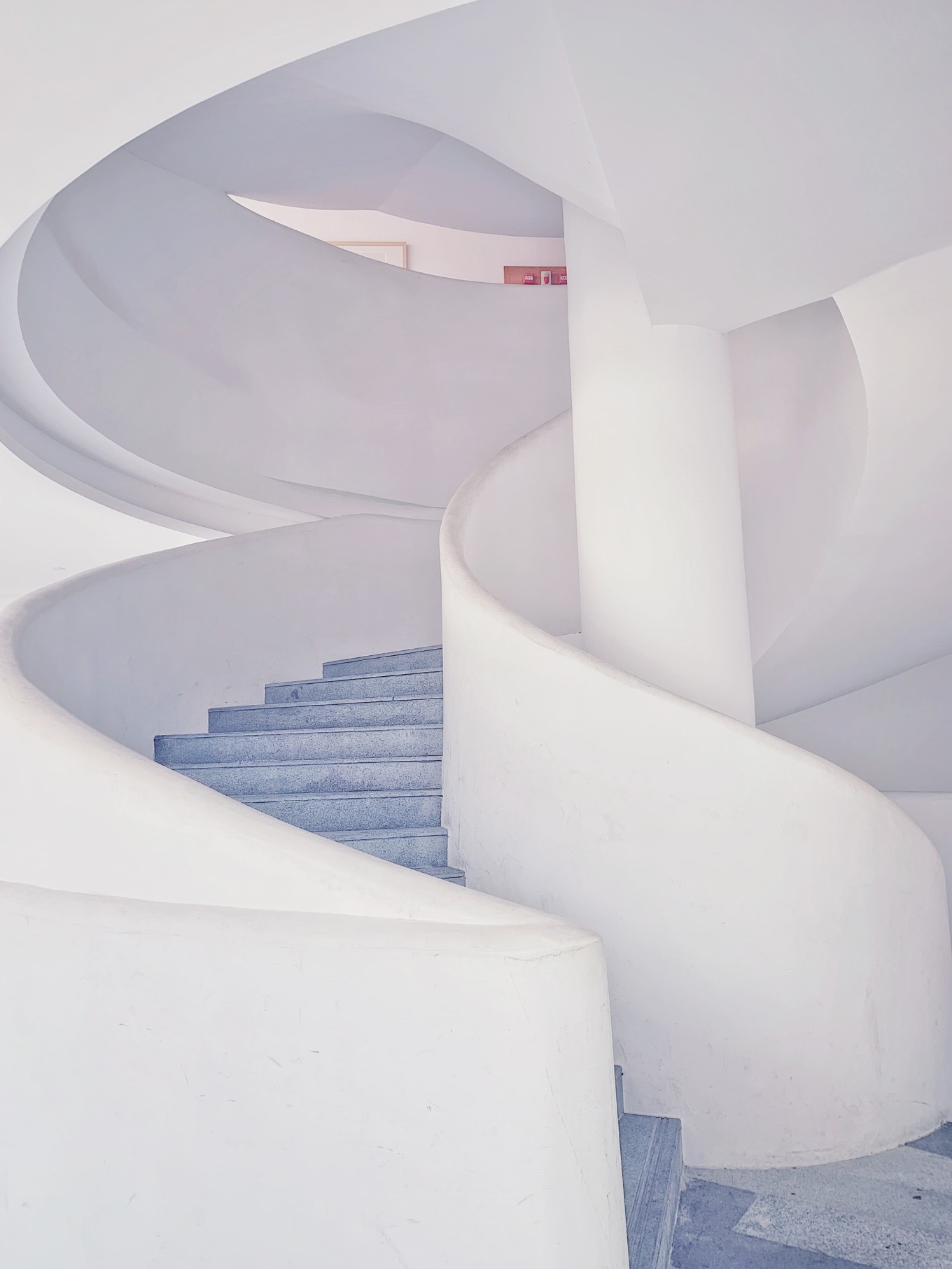
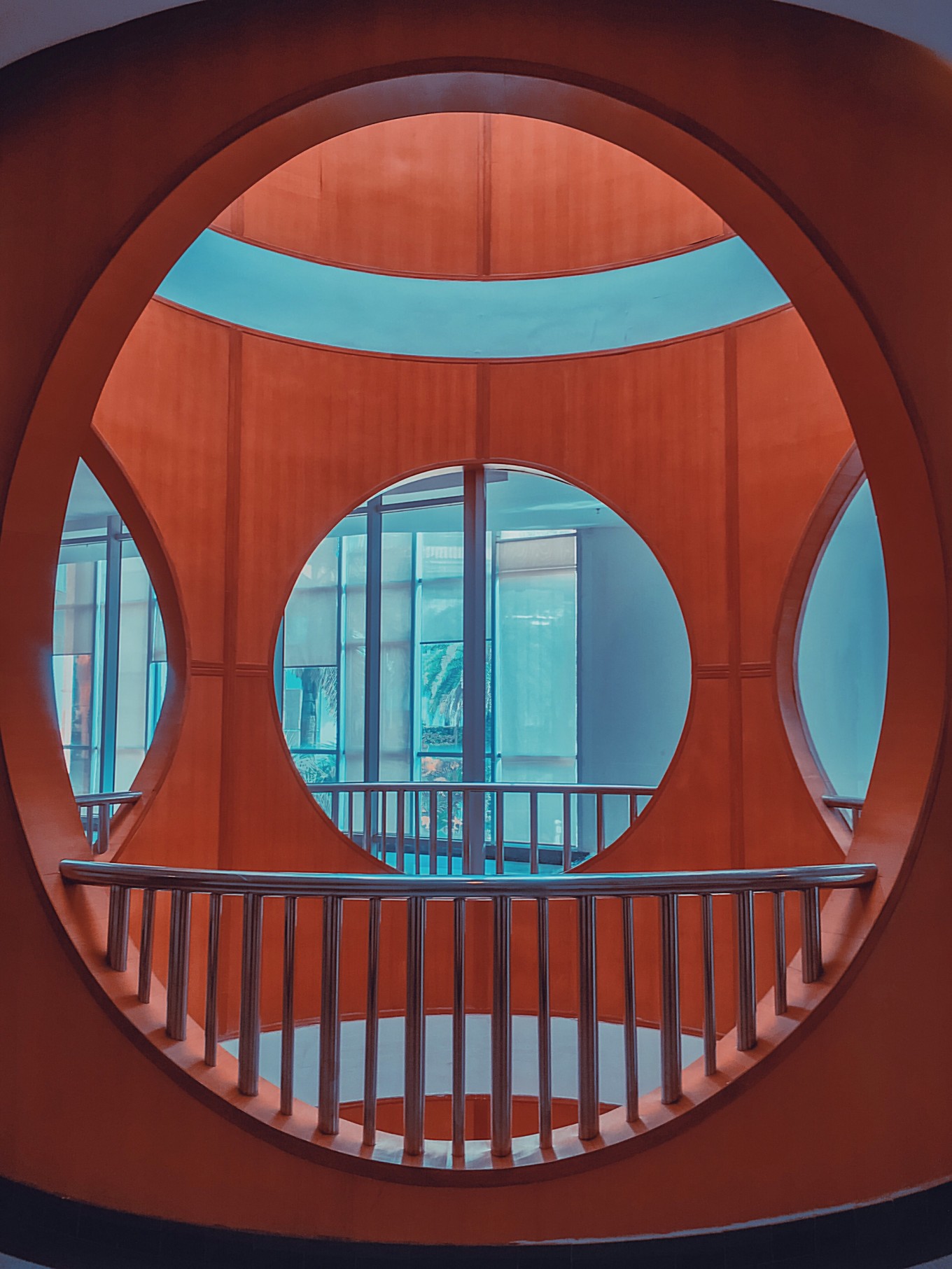
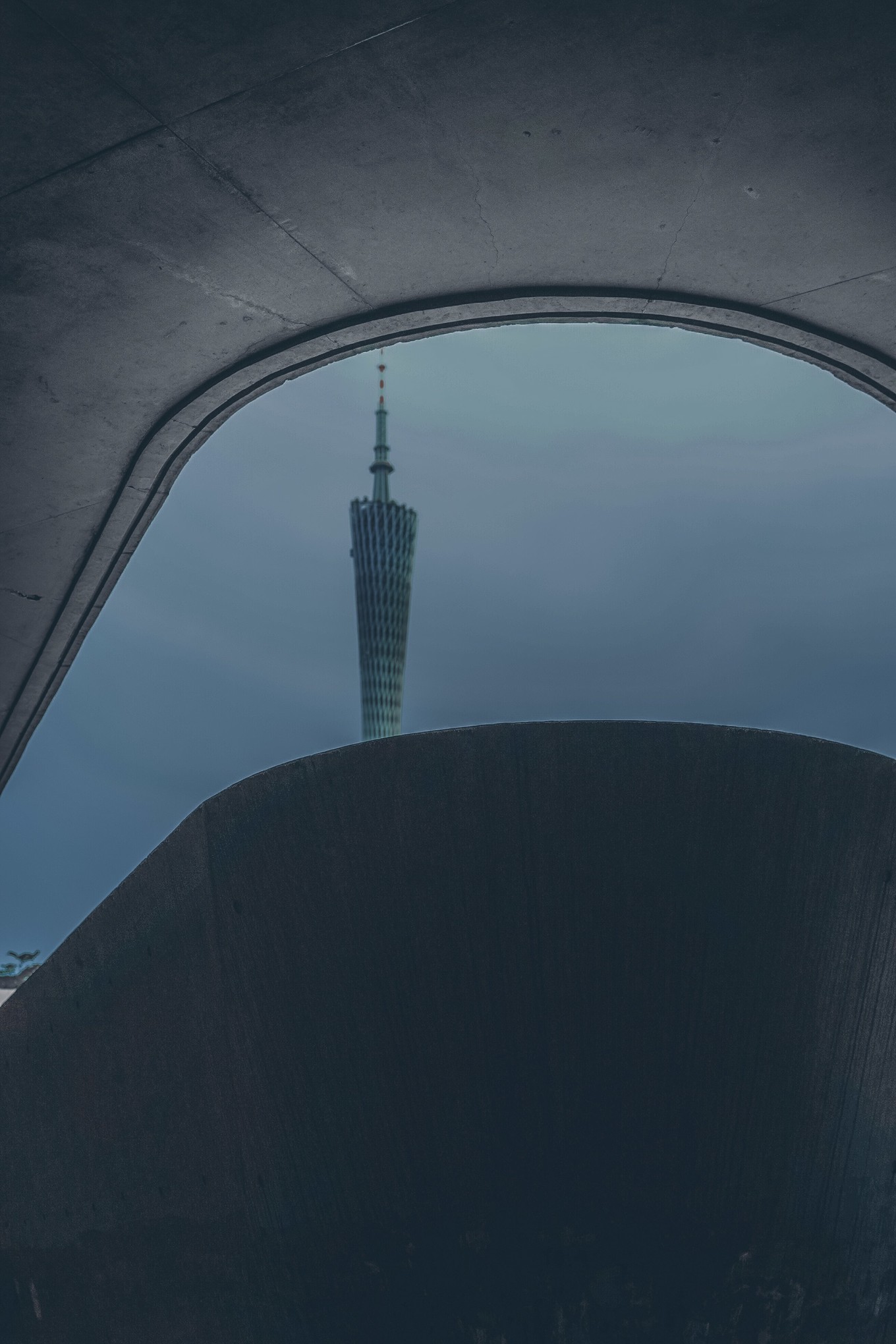
Look for details as well as the familiar full façade: a window, stair, reflection or shaded passage can reveal the material and scale. Morning and evening light can change the same place dramatically.
Use public space without obstructing entrances or traffic. Commercial shoots, tripods and interior photography may require permission. Check access in advance and allow time to observe rather than rushing through a list of famous frames.
From the source gallery